Voting Rights Reform 2026: Key Regulatory Changes
The 2026 federal voting rights reforms will introduce four pivotal regulatory changes impacting voter registration, ballot access, campaign finance, and election security, requiring every citizen to understand these shifts before the upcoming midterm elections.
As the United States approaches the 2026 midterm elections, understanding the upcoming federal voting rights reforms is paramount for every eligible voter. These changes are set to redefine how Americans participate in their democracy, impacting everything from voter registration to election security, making it crucial to stay informed and prepared.
Understanding the landscape of federal voting rights in 2026
The political climate surrounding voting rights in the United States is perpetually dynamic, with ongoing debates and legislative efforts aimed at both expanding and securing ballot access. As we look towards 2026, several federal initiatives are coalescing, promising significant shifts in the regulatory framework governing elections. These reforms are not mere tweaks; they represent a concerted effort to address long-standing concerns regarding voter participation, election integrity, and the equitable application of election laws across diverse states.
The impetus behind these reforms stems from a variety of factors, including judicial rulings, grassroots advocacy, and legislative proposals that have gained traction in recent congressional sessions. Advocates for reform often highlight issues such as voter suppression, gerrymandering, and campaign finance transparency as critical areas requiring federal intervention. Conversely, proponents of current state-led systems emphasize the importance of local control and the prevention of potential federal overreach. This ongoing tension shapes the contours of any new legislation, making the 2026 reforms a delicate balance of competing priorities and constitutional interpretations.
The historical context of voting rights legislation
To fully grasp the significance of the 2026 reforms, it is essential to consider the historical trajectory of voting rights in America. Landmark legislation like the Voting Rights Act of 1965 dramatically altered the electoral landscape, dismantling discriminatory practices that had disenfranchised millions. However, subsequent Supreme Court decisions and evolving political strategies have introduced new challenges, necessitating continuous vigilance and adaptation of federal protections. The 2026 reforms build upon this legacy, seeking to modernize and strengthen provisions in response to contemporary issues.
- Voting Rights Act of 1965: A cornerstone of civil rights legislation, prohibiting racial discrimination in voting.
- Shelby County v. Holder (2013): A Supreme Court decision that invalidated a key provision of the VRA, altering federal oversight.
- State-level changes: Numerous states have implemented new voting laws, prompting calls for federal standardization.
The journey towards universal and equitable voting access has been long and arduous, marked by periods of significant progress and notable setbacks. Each legislative cycle brings new opportunities and challenges, and the 2026 reforms are poised to be another critical chapter in this ongoing narrative. Understanding these foundational elements provides crucial context for appreciating the potential impact of the imminent changes.
In essence, the upcoming federal voting rights reforms in 2026 are a response to both historical injustices and contemporary challenges. They seek to enhance the democratic process by ensuring that every eligible citizen has the opportunity to cast their vote and have it counted fairly. These reforms will undoubtedly reshape the electoral landscape, making it imperative for all voters to be well-informed about their implications.
Regulatory change 1: standardized voter registration protocols
One of the most impactful changes anticipated in the 2026 federal voting rights reform package involves the standardization of voter registration protocols across all states. Currently, voter registration processes vary widely, leading to confusion, disparities in access, and sometimes, the unintentional disenfranchisement of eligible voters. The proposed federal reforms aim to streamline these processes, creating a more uniform and accessible system for all Americans, regardless of their state of residence.

This standardization could include several key components, such as automatic voter registration (AVR) at state agencies like DMVs, same-day registration options, and the establishment of a robust national online registration portal. The goal is to remove administrative hurdles that disproportionately affect certain demographics, particularly those with limited access to traditional registration methods or those who move frequently. By simplifying and unifying the registration process, the reforms seek to boost voter turnout and ensure that more citizens can exercise their right to vote without unnecessary obstacles.
Automatic voter registration (AVR) expansion
The expansion of automatic voter registration is a cornerstone of this regulatory change. Under AVR, eligible citizens would be automatically registered to vote when they interact with government agencies, unless they opt out. This system has proven effective in states where it has been implemented, significantly increasing registration rates and reducing the burden on individual voters.
- Increased registration rates: AVR has been shown to boost voter rolls, particularly among younger demographics and infrequent voters.
- Reduced administrative costs: Streamlining the process can lower costs associated with manual registration efforts.
- Enhanced accuracy: Integrates voter registration with existing government databases, improving data integrity.
The implementation of a federal AVR standard would mean that states would be required to adopt this system, ensuring a consistent approach nationwide. This move is expected to simplify the process for millions of Americans, making it easier than ever to become a registered voter. It also addresses concerns about outdated voter rolls and the potential for errors that can arise from paper-based registration systems.
Furthermore, the reforms are likely to address challenges related to voter roll maintenance, ensuring that inactive or ineligible voters are removed responsibly, without inadvertently disenfranchising eligible citizens. This includes clear guidelines for voter list purges and requirements for states to notify voters before removal. Overall, the standardization of voter registration protocols in 2026 represents a significant step towards a more inclusive and efficient electoral system, aiming to strengthen the foundation of American democracy by ensuring that every eligible voice can be heard.
Regulatory change 2: enhanced ballot access and early voting options
Another crucial area of the 2026 federal voting rights reform focuses on enhancing ballot access and expanding early voting options. The aim is to make voting more convenient and accessible, reducing the pressure on Election Day polling places and providing flexibility for voters with busy schedules, transportation issues, or other limitations. These changes are designed to address criticisms that current voting methods can create unnecessary barriers to participation, particularly for working-class individuals, parents, and those with disabilities.
The reforms are expected to mandate minimum standards for early in-person voting periods, potentially requiring states to offer a certain number of days or weeks for early voting before Election Day. This would ensure that all voters have ample opportunity to cast their ballots, rather than being restricted to a single day. Additionally, there could be provisions for expanded mail-in voting options, making it easier for voters to receive and return their ballots from the comfort of their homes.
Mandatory early voting periods
A key component of enhanced ballot access is the establishment of mandatory early voting periods. This would require all states to provide a set number of days for voters to cast their ballots in person before the official Election Day. This approach has gained significant traction, as it has been shown to increase voter participation and reduce long lines at polling stations.
- Increased voter turnout: Early voting provides more opportunities for citizens to cast their ballots.
- Reduced Election Day congestion: Spreads out voter traffic, making the experience more efficient for everyone.
- Greater flexibility: Accommodates diverse work schedules and personal commitments.
The federal mandate would ensure that these options are available nationwide, eliminating the patchwork of early voting laws that currently exist. This consistency would provide clarity for voters and election officials alike, fostering a more predictable and accessible electoral environment. It also addresses concerns about states limiting early voting periods, which can disproportionately affect certain communities.
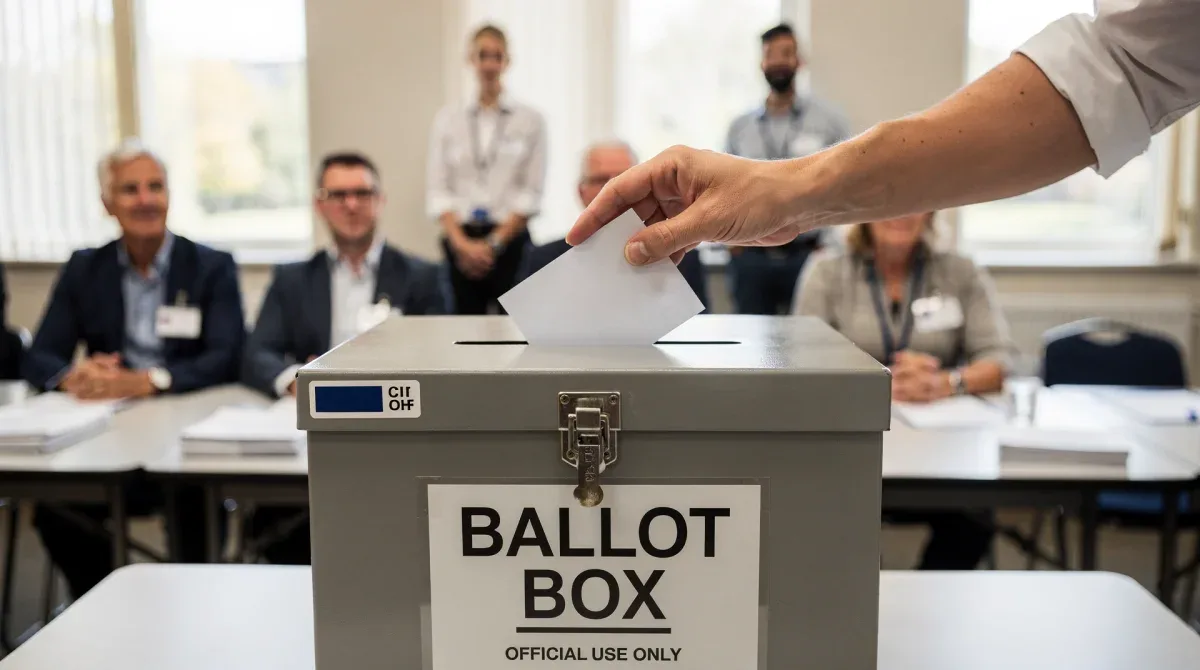
Furthermore, the reforms may include provisions for expanded absentee and mail-in voting, potentially allowing all eligible voters to request an absentee ballot without needing a specific excuse, or even establishing universal vote-by-mail systems in certain contexts. These measures aim to maximize participation by offering multiple convenient avenues for citizens to cast their votes. By making voting more accessible and flexible, the 2026 reforms seek to strengthen the democratic process and ensure that every eligible voice can contribute to the future of the nation.
Regulatory change 3: campaign finance transparency and disclosure
The third significant regulatory change under the 2026 federal voting rights reform pertains to campaign finance transparency and disclosure. The role of money in politics has long been a contentious issue, with concerns about undue influence from wealthy donors and special interest groups. These reforms aim to shed more light on political spending, ensuring that voters have a clearer understanding of who is funding campaigns and advocating for specific policies.
The proposed changes could include stricter disclosure requirements for political advertisements, particularly those funded by dark money groups that currently operate with minimal transparency. This might involve mandating the disclosure of top donors on political ads or requiring more frequent and detailed reporting of contributions and expenditures. The goal is to empower voters with information, enabling them to make more informed decisions by understanding the financial interests behind political messaging.
Dark money disclosure enhancements
A primary focus of these reforms is enhancing the disclosure requirements for “dark money” in politics. Dark money refers to political spending where the source of the money is not disclosed, often channeled through non-profit organizations that are not legally required to reveal their donors. This lack of transparency can obscure the true origins of significant political influence.
- Increased transparency: Mandates disclosure of major donors for certain political expenditures.
- Reduced undue influence: Aims to limit the impact of undisclosed money on elections.
- Informed electorate: Provides voters with critical information about who is funding political campaigns.
By requiring greater transparency, the reforms seek to reduce the potential for corruption and increase accountability among political actors. Voters would be better equipped to evaluate the credibility and motivations behind political advertisements and campaigns if they knew the ultimate source of their funding. This move is expected to foster a more level playing field and promote a healthier democratic discourse.
Moreover, the reforms might address issues related to super PACs and other independent expenditure groups, potentially imposing new limits or disclosure requirements on their activities. The overall objective is to create a more transparent and equitable campaign finance system where the power of ideas, rather than the power of undisclosed wealth, plays a more decisive role in elections. These changes are crucial for maintaining public trust in the integrity of the electoral process and ensuring that all voices, not just those with deep pockets, can be heard.
Regulatory change 4: enhanced election security and integrity measures
The fourth critical regulatory change in the 2026 federal voting rights reform package centers on enhancing election security and integrity measures. In an era marked by increasing cyber threats and concerns over foreign interference, ensuring the security of election infrastructure and the accuracy of vote counts has become a paramount concern. These reforms aim to bolster confidence in the electoral system by implementing robust protections against tampering, fraud, and misinformation.
The proposed measures could include federal funding for states to upgrade their voting equipment, mandating the use of auditable paper ballots, and establishing national standards for post-election audits. Furthermore, there might be provisions for strengthening cybersecurity protocols for voter registration databases and election management systems. The goal is to create a resilient electoral ecosystem that can withstand various threats and ensure that every legitimate vote is accurately cast and counted.
Mandatory paper ballots and robust auditing
A key aspect of enhanced election security is the mandating of auditable paper ballots. Paper ballots provide a verifiable record of each vote, allowing for manual recounts and post-election audits that can confirm the accuracy of electronic vote tabulation. This measure is widely supported by cybersecurity experts and election integrity advocates as a fundamental safeguard.
- Verifiable records: Paper ballots provide a physical backup for every vote cast.
- Facilitates audits: Allows for independent verification of election results, increasing public trust.
- Resilience against cyberattacks: Even if electronic systems are compromised, paper records remain.
Federal requirements for robust post-election audits, such as risk-limiting audits, would further strengthen election integrity. These audits use statistical methods to ensure that the reported election outcomes are correct, providing an additional layer of verification and transparency. By implementing these measures, the reforms aim to minimize the potential for errors or malicious interference, thereby enhancing the overall security of the electoral process.
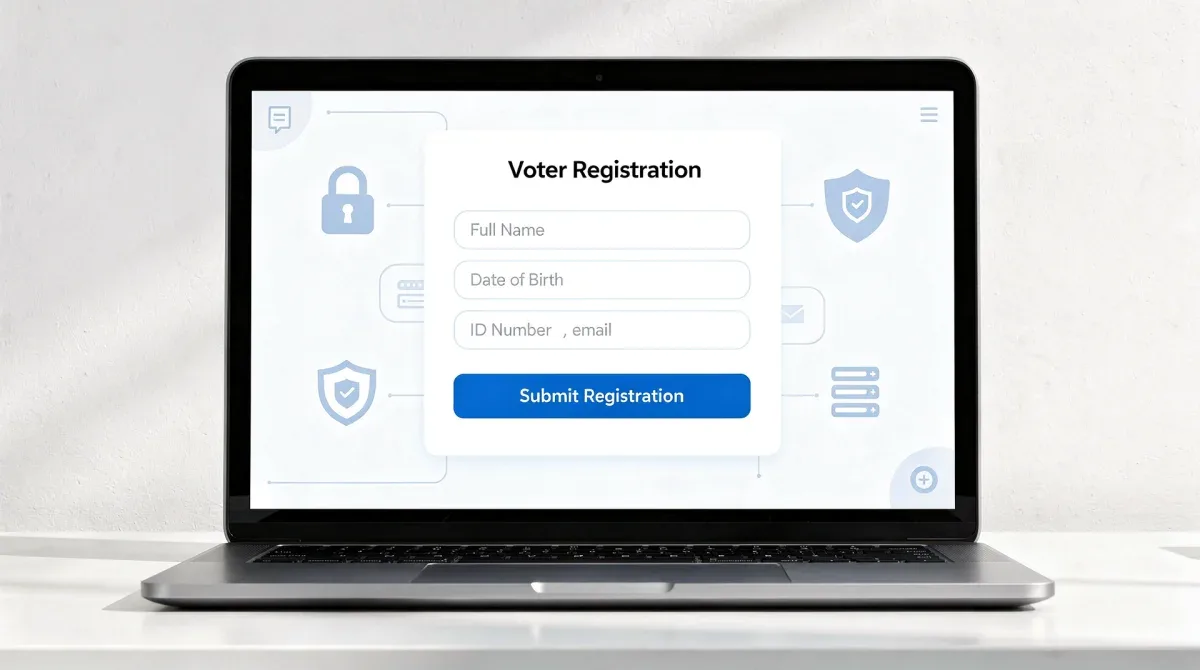
Additionally, the reforms are likely to address the growing challenge of election-related misinformation and disinformation. This could involve federal initiatives to support media literacy campaigns, collaborate with social media platforms to combat false narratives, and provide clear, authoritative information about election procedures. By combining robust physical and digital security measures with efforts to counter misinformation, the 2026 reforms seek to create an electoral environment that is both secure and trustworthy, ensuring the integrity of democratic outcomes for all citizens.
Impact of the reforms on the 2026 midterm elections
The cumulative effect of these four key regulatory changes in federal voting rights is expected to significantly impact the 2026 midterm elections. Voters will likely experience a more streamlined and accessible registration process, expanded opportunities to cast their ballots, greater transparency in campaign finance, and enhanced confidence in the security of their votes. These changes are designed to foster higher participation rates and a more representative electoral outcome, reflecting the true will of the electorate.
For election officials, the reforms will necessitate adjustments to existing procedures, potentially requiring new training, equipment upgrades, and a coordinated effort to implement federal mandates. While there may be initial challenges in adapting to the new regulations, the long-term benefits of a more standardized and secure electoral system are expected to outweigh these transitional hurdles. The federal government will likely provide resources and guidance to assist states in complying with the new requirements, ensuring a smooth transition.
Potential challenges and opportunities
Implementing such comprehensive reforms will not be without its challenges. States may face financial constraints in upgrading infrastructure or resistance from those who prefer the existing system. However, these challenges also present opportunities for innovation and collaboration. Federal support, combined with state-level ingenuity, can lead to more efficient and equitable election administration practices.
- Funding for upgrades: Federal assistance will be crucial for states to implement new equipment and systems.
- Interstate cooperation: Standardized protocols will encourage greater collaboration among state election officials.
- Public education: Extensive outreach will be needed to inform voters about new procedures.
The reforms also offer an opportunity to restore public trust in elections, which has been eroded by various factors in recent years. By demonstrating a commitment to secure, transparent, and accessible voting, the federal government can help rebuild confidence in the democratic process. This renewed trust is vital for the health and stability of the nation, particularly in a politically charged environment.
Ultimately, the 2026 midterm elections will serve as a critical test for these new federal voting rights reforms. Their success will depend on effective implementation, clear communication with voters, and a willingness from all stakeholders to embrace changes that prioritize democratic participation and electoral integrity. Voters must remain informed and engaged to hold their elected officials accountable and ensure these reforms achieve their intended purpose.
Preparing for the 2026 midterms: what voters need to know
As the 2026 midterm elections draw closer, understanding the implications of the federal voting rights reforms is essential for every voter. Being prepared means not only being aware of the changes but also actively engaging with the new processes and requirements. This proactive approach ensures that your voice is heard and that you can navigate the updated electoral landscape effectively.
Firstly, stay informed about the specific implementation of these federal changes in your state. While the reforms will establish national standards, state election offices will be responsible for the practical application. Regularly check your state's official election website, local news outlets, and trusted non-partisan organizations for updates on voter registration deadlines, early voting locations, and any new identification requirements. Knowledge is your most powerful tool in ensuring your right to vote.
Key actions for voters
There are several concrete steps voters can take to prepare for the 2026 midterms under the new federal voting rights framework. These actions will help you stay ahead of the curve and ensure a smooth voting experience.
- Verify your registration: Confirm your voter registration status and update any necessary information, especially with potential new standardized protocols.
- Understand new deadlines: Be aware of revised voter registration and early voting deadlines established by the federal reforms.
- Learn about ballot access: Familiarize yourself with expanded early voting options, including in-person and mail-in voting procedures.
- Track campaign finance: Pay attention to new disclosure requirements for political ads to better understand campaign funding.
- Report irregularities: Be vigilant and report any unusual activities or concerns regarding election security to appropriate authorities.
These actions are crucial for ensuring that you are fully prepared to participate in the 2026 midterm elections. The federal reforms are designed to enhance accessibility and integrity, but individual voter awareness and engagement remain vital. Take the time to understand the new rules and exercise your democratic right confidently.
Furthermore, consider becoming an advocate for voter education in your community. Share information with friends, family, and neighbors about the upcoming changes. Encourage them to verify their registration, explore early voting options, and understand the importance of election security. Collective awareness and participation are key to the success of these reforms and to strengthening the democratic process. By taking these steps, voters can play a critical role in ensuring that the 2026 midterms are fair, accessible, and representative of the nation's diverse voices.
| Key Reform Area | Brief Description |
|---|---|
| Voter Registration | Standardized protocols, potential for automatic and same-day registration nationwide. |
| Ballot Access | Mandatory early voting periods and expanded mail-in voting options. |
| Campaign Finance | Enhanced transparency and disclosure requirements for political spending, especially 'dark money'. |
| Election Security | Mandatory paper ballots, federal funding for equipment upgrades, and robust post-election audits. |
Frequently asked questions about 2026 voting reforms
What is the primary goal of the 2026 federal voting rights reforms?▼The primary goal is to standardize and enhance voter access, improve election integrity, and increase transparency in campaign finance across all states. These reforms aim to create a more uniform, secure, and accessible electoral process, ensuring that every eligible citizen has the opportunity to vote and that their ballot is counted accurately and fairly.
How will these reforms affect voter registration?▼Voter registration will likely become more standardized and accessible, potentially including nationwide automatic voter registration at government agencies and expanded same-day registration options. The goal is to reduce administrative hurdles and increase the number of registered voters by simplifying the process and ensuring consistency across states.
What changes can voters expect regarding early voting?▼Voters can expect enhanced ballot access, including mandatory minimum periods for early in-person voting across all states. There may also be expanded mail-in voting options, making it more convenient for citizens to cast their ballots over an extended period rather than solely on Election Day.
How will campaign finance be impacted by the new regulations?▼Campaign finance will see increased transparency, with stricter disclosure requirements for political spending, especially from 'dark money' groups. These changes aim to provide voters with a clearer understanding of who is funding political campaigns and advertisements, fostering a more informed electorate and reducing undue influence.
What measures are being introduced to enhance election security?▼Election security will be bolstered through measures such as mandatory auditable paper ballots and national standards for robust post-election audits. There will also be federal funding for states to upgrade voting equipment and strengthen cybersecurity protocols for election systems, ensuring greater resilience against threats and higher integrity.
Conclusion
The upcoming federal voting rights reforms in 2026 mark a pivotal moment for American democracy. By addressing critical areas such as voter registration, ballot access, campaign finance transparency, and election security, these changes aim to create a more inclusive, secure, and trustworthy electoral system. For every voter, staying informed about these regulatory shifts and actively participating in the updated processes will be crucial to ensuring their voice is effectively heard in the upcoming midterm elections and beyond. These reforms represent a collective effort to strengthen the foundational pillars of democratic participation, fostering a more representative and equitable political landscape for all.
