FTC Merger Scrutiny: New 30% Market Share Thresholds in 2026
The Federal Trade Commission's new 30% market share thresholds are fundamentally reshaping corporate acquisitions in 2026, compelling businesses to meticulously reassess their merger strategies and navigate heightened regulatory scrutiny for compliance and successful integration.
The landscape of corporate acquisitions is undergoing a significant transformation, driven by intensified regulatory oversight. Specifically, the Federal Trade Commission Merger Scrutiny, particularly the new 30% market share thresholds effective in 2026, is fundamentally reshaping how companies approach mergers and acquisitions. This shift demands a proactive understanding of compliance and strategic planning, making it crucial for businesses to adapt.
Understanding the new FTC merger scrutiny framework
The Federal Trade Commission (FTC) has long been a pivotal player in ensuring fair competition and preventing monopolies. Its role is now more pronounced with the introduction of new guidelines for merger reviews, set to take full effect in 2026. These changes are not merely procedural; they represent a philosophical shift in how the FTC views market concentration and potential anti-competitive practices.
The core of these new guidelines revolves around a stricter interpretation of market power and a lower tolerance for significant market consolidation. The 30% market share threshold is a critical component, serving as a clearer trigger for heightened scrutiny. This means that any proposed merger where the combined entity would control 30% or more of a relevant market will automatically face an intensive review, moving beyond previous, more ambiguous benchmarks.
Historical context of FTC oversight
Historically, the FTC's approach to merger scrutiny has evolved significantly since the Clayton Act of 1914. Early interpretations were often more lenient, focusing primarily on direct consumer harm. Over time, as markets became more complex and globalized, the agency's methodologies adapted to address broader issues of competitive landscape and innovation. The new 2026 thresholds build upon decades of antitrust enforcement, reflecting contemporary economic realities and a renewed commitment to preventing dominant market positions.
- Early 20th Century: Focus on horizontal mergers, direct price impacts.
- Mid-20th Century: Expansion to vertical and conglomerate mergers, broader economic impacts.
- Late 20th/Early 21st Century: Emphasis on efficiency gains, consumer welfare standard.
- Current Era: Renewed focus on market structure, potential for anti-competitive harm, and innovation suppression.
This historical trajectory underscores the FTC's continuous effort to refine its tools and approaches to maintain a competitive marketplace. The 2026 framework is the latest iteration, designed to be more preemptive in addressing potential market distortions before they fully materialize.
In essence, the new FTC merger scrutiny framework signifies a more aggressive stance against market concentration. Companies engaging in mergers and acquisitions must now conduct even more thorough due diligence and strategic planning, anticipating a higher bar for regulatory approval. This shift is expected to influence not only the types of deals pursued but also the structure and negotiation of those deals.

The 30% market share threshold: What it means for businesses
The introduction of a definitive 30% market share threshold is a game-changer for businesses contemplating mergers and acquisitions. This figure is not arbitrary; it represents a clear signal from the FTC that market dominance, even if not an outright monopoly, will be viewed with suspicion. For companies, this means a significantly higher likelihood of their proposed transactions undergoing deep investigation, potentially leading to lengthy delays, costly litigation, or even outright rejection.
Prior to these new guidelines, the thresholds for intense scrutiny were often more fluid, relying on a complex interplay of factors like the Herfindahl-Hirschman Index (HHI) and qualitative assessments of competitive impact. While those metrics still play a role, the 30% market share figure provides a more immediate and easily identifiable trigger for regulatory action. This clarity, while potentially increasing regulatory hurdles, also offers companies a clearer benchmark against which to assess their proposed deals.
Defining the relevant market
A critical challenge under the new 30% threshold will be the precise definition of the 'relevant market.' The FTC and the Department of Justice (DOJ) have historically employed sophisticated economic analysis to delineate product and geographic markets. This process involves identifying substitutes for the merging parties' products or services and determining the geographic scope within which competition occurs. Under the new rules, this market definition will become even more contentious, as it directly impacts whether the 30% threshold is met.
- Product Market Definition: What products or services are considered direct substitutes? How broad or narrow should this definition be?
- Geographic Market Definition: Is the market local, regional, national, or global? What are the barriers to entry or expansion for competitors?
- Customer Segmentation: Do different customer groups constitute distinct markets, even if served by similar products?
The merging parties will undoubtedly seek to define the relevant market as broadly as possible to dilute their combined market share below the 30% threshold. Conversely, the FTC will likely push for narrower definitions to trigger heightened scrutiny. This definitional battle will be a central feature of merger reviews in 2026 and beyond, requiring robust economic arguments and data from both sides.
Ultimately, the 30% market share threshold forces businesses to conduct a more rigorous upfront assessment of their competitive position and the potential regulatory implications of any acquisition. It necessitates a proactive engagement with antitrust counsel and economic experts to navigate the complexities of market definition and competitive impact analysis, ensuring compliance and a higher probability of deal success.
Impact on corporate acquisition strategies and deal structuring
The new 30% market share thresholds will inevitably force a fundamental re-evaluation of corporate acquisition strategies. Companies can no longer assume that deals will sail through without significant regulatory hurdles, especially if they are already dominant players in their respective industries. This shift demands a more cautious and strategic approach from the very outset of any potential transaction.
One immediate impact will be a greater emphasis on pre-merger analysis and antitrust due diligence. Companies will need to invest more resources into understanding their current market share, the market share of potential targets, and the combined market share post-merger. This analysis will extend beyond simple revenue figures, delving into the intricacies of product segments, geographic reach, and competitive dynamics. The goal will be to identify potential antitrust red flags early and either restructure the deal or prepare a compelling case for regulatory approval.
Restructuring deals to avoid scrutiny
To mitigate the risk of hitting the 30% threshold, companies may explore various strategies for deal structuring. This could involve divesting certain assets or business units prior to or as part of the merger agreement. Such divestitures would aim to reduce the combined entity's market share in specific segments, thereby easing regulatory concerns. Another approach might be to pursue smaller, more incremental acquisitions rather than large, transformative deals that carry a higher risk of triggering intense scrutiny.
- Targeted Divestitures: Selling off overlapping business units to maintain competitive diversity.
- Minority Stakes: Acquiring non-controlling interests to avoid full consolidation of market share.
- Strategic Alliances: Forming partnerships or joint ventures instead of outright acquisitions, where market share aggregation is less direct.
- Phased Acquisitions: Completing acquisitions in stages, allowing for market adjustments and regulatory feedback.
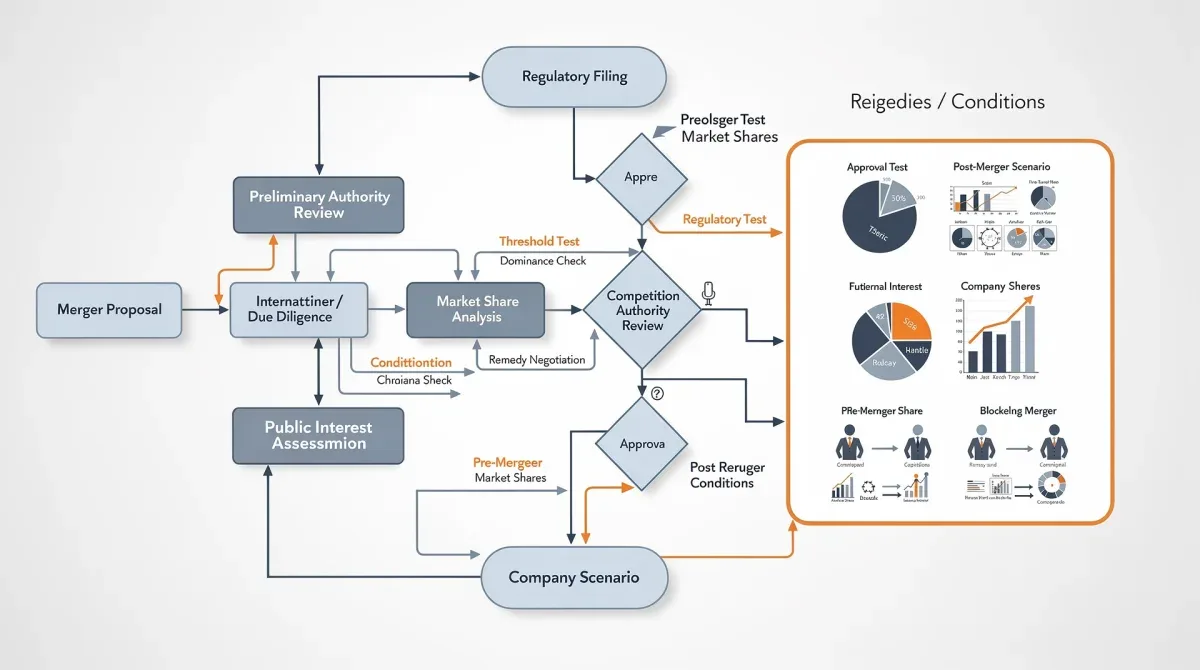
Furthermore, the increased scrutiny might lead to a greater prevalence of 'fix-it-first' remedies, where companies proactively propose divestitures or behavioral commitments to the FTC even before the deal is officially filed. This proactive approach could expedite the approval process by addressing potential concerns upfront, demonstrating a commitment to competitive markets.
In conclusion, the new FTC guidelines compel a more sophisticated and cautious approach to M&A. Companies must integrate antitrust considerations into their core strategic planning, exploring creative deal structures and proactive engagement with regulators to navigate the evolving landscape of corporate acquisitions successfully.
Challenges and opportunities for businesses in 2026
The intensified Federal Trade Commission Merger Scrutiny, particularly with the new 30% market share thresholds, presents both significant challenges and unique opportunities for businesses operating in 2026. Understanding these dual aspects is crucial for strategic planning and maintaining a competitive edge in an evolving regulatory environment.
The primary challenge lies in the increased complexity and potential duration of merger reviews. Deals that previously might have garnered quick approval could now face extended investigations, requiring substantial legal and economic resources. This can deter smaller companies from pursuing mergers with larger entities, fearing they lack the capacity to navigate a protracted regulatory battle. Moreover, the risk of deal abandonment due to regulatory opposition increases, impacting investor confidence and capital allocation strategies.
Navigating the increased regulatory burden
Businesses must prepare for a more demanding regulatory process. This includes meticulous data collection, detailed economic analysis, and compelling arguments demonstrating that a proposed merger will not harm competition. Companies will need to invest in robust compliance teams or engage specialized external counsel to ensure all regulatory requirements are met, and potential objections are addressed proactively.
- Enhanced Due Diligence: Deeper dives into market share, competitive effects, and potential anti-competitive outcomes.
- Proactive Engagement: Early and transparent communication with the FTC and DOJ to address concerns.
- Robust Economic Analysis: Presenting strong data and models to support pro-competitive arguments.
Despite these challenges, opportunities arise for businesses that can adapt effectively. Companies with strong compliance frameworks and a clear understanding of antitrust principles may gain a competitive advantage. They can identify acquisition targets that complement their existing operations without triggering undue scrutiny, or structure deals in ways that proactively address regulatory concerns. This could lead to more strategic, value-driven acquisitions rather than purely market-share driven ones.
Furthermore, the stricter enforcement might level the playing field for smaller innovative companies. With reduced opportunities for dominant players to acquire competitors and stifle innovation, smaller firms might find more room to grow organically or attract investment from sources less constrained by antitrust concerns. This could foster a more dynamic and diverse market landscape.
In conclusion, while the new thresholds introduce significant hurdles, they also encourage a more thoughtful and strategic approach to M&A. Businesses that view these changes not merely as obstacles but as opportunities to refine their strategies and reinforce their commitment to fair competition will be better positioned for success in 2026 and beyond.
Compliance and legal considerations for future mergers
The heightened Federal Trade Commission Merger Scrutiny, driven by the new 30% market share thresholds, necessitates a thorough re-evaluation of compliance and legal strategies for all future mergers. Companies must adopt a proactive and comprehensive approach to ensure their proposed acquisitions meet the stringent requirements of the evolving regulatory landscape.
A primary legal consideration will be the early involvement of experienced antitrust counsel. Engaging legal experts at the nascent stages of deal exploration can help identify potential antitrust issues before significant resources are committed. This early intervention allows for strategic adjustments to deal terms, market analysis, or even the selection of acquisition targets, thereby minimizing the risk of regulatory roadblocks down the line.
Strengthening internal compliance frameworks
Beyond external legal advice, companies will need to bolster their internal compliance frameworks. This involves educating senior management and M&A teams on the new FTC guidelines, particularly the nuances of market definition and the implications of the 30% threshold. Developing internal checklists and protocols for antitrust risk assessment will become standard practice, ensuring that every potential deal is rigorously vetted against the new regulatory standards.
- Training Programs: Educating M&A teams on updated antitrust laws and FTC guidelines.
- Pre-Merger Screening: Implementing internal processes to assess market share and competitive impact early.
- Document Retention Policies: Ensuring proper documentation of competitive analysis and strategic rationales.
Another critical legal consideration involves preparing for potential litigation. Even with robust pre-merger analysis, the FTC may still challenge deals that meet or exceed the 30% threshold. Companies must be prepared to defend their proposed mergers in court, presenting compelling evidence that the transaction will not harm competition, stifle innovation, or lead to higher consumer prices. This involves assembling expert economic witnesses, conducting extensive discovery, and crafting persuasive legal arguments.
Furthermore, the new rules might encourage greater international coordination among antitrust authorities. As global markets become more interconnected, a merger reviewed by the FTC could also face scrutiny from European, Asian, or other national antitrust bodies. Companies involved in cross-border transactions must therefore navigate a complex web of international regulations, ensuring compliance across multiple jurisdictions.
In essence, the future of mergers demands a robust legal and compliance posture. Companies that prioritize these aspects, integrating them into every stage of their acquisition strategy, will be better equipped to successfully navigate the intensified regulatory environment and achieve their strategic growth objectives.
Case studies and hypothetical scenarios under the new rules
To truly grasp the implications of the new Federal Trade Commission Merger Scrutiny and the 30% market share thresholds, examining hypothetical scenarios and drawing from past cases is invaluable. While the 2026 rules are prospective, we can project their impact by considering how previous mergers might have fared under these stricter guidelines.
Consider a hypothetical scenario: TechCo, a dominant player in the cloud computing market with a 20% share, announces its intent to acquire DataSolutions, a niche provider of specialized data analytics services with a 15% share in a particular sub-segment of cloud-based analytics. Under previous rules, this acquisition might have been reviewed but likely approved, as the combined entity's overall cloud market share would be 20% + 15% = 35% in that sub-segment, which might not have been deemed sufficiently anti-competitive given the broader market. However, under the new 2026 rules, if the FTC defines the 'cloud-based analytics' sub-segment as a relevant market, the combined 35% share would immediately trigger heightened scrutiny. TechCo would face intense pressure to prove that the merger would not harm competition, potentially necessitating divestitures of DataSolutions' assets or significant behavioral commitments.
Lessons from past merger challenges
Looking at historical challenges, consider the numerous instances where mergers were approved after extensive reviews or with conditions. For example, a merger between two large pharmaceutical companies, each with a significant share in a specific drug class, might have previously been approved with conditions like divesting rights to certain drugs. Under the 2026 rules, if their combined share in that specific drug class hits 30% or more, the initial presumption of anti-competitiveness would be stronger, making it harder to secure approval without more substantial remedies, or even leading to an outright block.
- Retail Mergers: Two large grocery chains combining in a specific urban area could easily exceed 30% of the local market, leading to strong FTC opposition.
- Telecommunications Deals: Consolidations between regional internet service providers might face significant hurdles if their combined footprint dominates local broadband access.
- Software Acquisitions: A major enterprise software vendor acquiring a smaller competitor with a unique, critical feature could be scrutinized if that feature's market is narrowly defined and the combined entity exceeds 30%.

These scenarios highlight that the new 30% threshold will not only increase the volume of intensely scrutinized deals but also change the nature of the arguments required for approval. Companies will need to be prepared to demonstrate not just the lack of harm, but often a clear pro-competitive benefit that outweighs the concerns of market concentration. This involves a shift from merely defending a deal to actively advocating for its positive impact on consumers and innovation.
In conclusion, the new rules demand a forward-looking perspective on merger planning. By analyzing past cases through the lens of the 2026 thresholds and running detailed hypothetical scenarios, businesses can better anticipate regulatory responses and tailor their strategies for successful outcomes.
Preparing for the future: Strategies for navigating 2026 and beyond
As 2026 approaches, businesses must proactively develop robust strategies to navigate the intensified Federal Trade Commission Merger Scrutiny and the new 30% market share thresholds. This preparation is not just about compliance; it's about maintaining competitive agility and fostering sustainable growth in a more regulated environment.
One fundamental strategy is to cultivate a deep understanding of market dynamics and competitive landscapes. Companies should regularly conduct internal market analyses to accurately assess their current market share across various product and geographic segments. This ongoing assessment will provide a clearer picture of potential antitrust risks before any acquisition is even contemplated, allowing for more informed strategic decisions.
Adopting a proactive antitrust posture
Beyond internal analysis, adopting a proactive antitrust posture is crucial. This means engaging with antitrust experts early in the M&A pipeline, not just when a deal is imminent. These experts can help identify potential red flags, advise on deal structuring to mitigate risks, and assist in preparing a strong pro-competitive narrative for regulators. This foresight can save significant time and resources down the line.
- Early Legal Counsel: Integrate antitrust lawyers into strategic planning discussions.
- Economic Impact Assessments: Commission independent economic studies to analyze merger effects.
- Stakeholder Engagement: Prepare to address concerns from competitors, customers, and consumer groups.
Another key strategy involves diversifying growth avenues. While M&A will remain a vital tool, companies might increasingly explore organic growth initiatives, strategic partnerships, or investments in emerging technologies that do not immediately lead to significant market share consolidation. This diversification can reduce reliance on large-scale acquisitions that are now subject to greater scrutiny.
Furthermore, companies should prioritize transparency and build strong relationships with regulatory bodies. A history of transparent communication and a commitment to competitive practices can foster trust and potentially streamline the review process for future transactions. Being perceived as a responsible market actor can be a significant asset when navigating complex regulatory approvals.
In conclusion, preparing for the future of mergers and acquisitions under the new FTC guidelines requires a multi-faceted approach. By combining rigorous internal analysis, proactive legal engagement, diversified growth strategies, and a commitment to transparency, businesses can effectively navigate the challenges of 2026 and position themselves for continued success in an evolving regulatory landscape.
| Key Point | Brief Description |
|---|---|
| 30% Market Share Threshold | New benchmark for heightened FTC scrutiny of corporate mergers in 2026. |
| Impact on Acquisitions | Reshapes strategies, requiring deeper due diligence and potential deal restructuring. |
| Regulatory Challenges | Increased complexity, longer review times, and higher risk of rejection or conditions. |
| Strategic Preparation | Proactive antitrust posture, early legal counsel, and diversified growth essential. |
Frequently asked questions about FTC merger scrutiny
What is the primary change in FTC merger scrutiny for 2026?▼The primary change is the introduction of a new, explicit 30% market share threshold. Any proposed merger where the combined entity would control 30% or more of a relevant market will automatically trigger heightened scrutiny from the Federal Trade Commission, making regulatory approval more challenging.
How will the 30% threshold impact corporate acquisition strategies?▼It will necessitate more rigorous pre-merger analysis, increased antitrust due diligence, and potentially lead to deal restructuring, such as divestitures, to avoid exceeding the threshold. Companies will need to be more strategic and cautious from the initial stages of any acquisition.
What are the biggest challenges businesses face under these new rules?▼Businesses face increased complexity and potential delays in merger reviews, higher legal and economic costs, and a greater risk of deal abandonment. Defining the 'relevant market' precisely will also be a significant and often contentious challenge during regulatory reviews.
Are there any opportunities for businesses despite the stricter scrutiny?▼Yes, opportunities include a level playing field for smaller innovators, encouragement for more strategic and value-driven acquisitions, and a push towards diversified growth avenues. Companies with strong compliance frameworks can gain a competitive advantage in navigating the new landscape.
What should companies do to prepare for these changes?▼Companies should conduct regular internal market analyses, engage experienced antitrust counsel early, strengthen internal compliance frameworks, and explore diversified growth strategies. Adopting a proactive and transparent antitrust posture will be key to successful navigation.
Conclusion
The new 30% market share thresholds under the Federal Trade Commission Merger Scrutiny represent a pivotal shift in the regulatory landscape for corporate acquisitions in 2026. This intensified oversight demands a comprehensive re-evaluation of M&A strategies, emphasizing proactive compliance, meticulous due diligence, and innovative deal structuring. While challenges such as increased complexity and potential delays are evident, these changes also foster opportunities for more strategic growth and a more competitive marketplace. Businesses that adapt by strengthening their legal and compliance frameworks and embracing a forward-thinking approach will be best positioned to thrive in this evolving environment, ensuring their growth trajectories align with the FTC's renewed commitment to fair competition.
