Concert Ticket Fee Regulations Update: Beat Hidden Surcharges
Understanding new concert ticket fee regulations and implementing strategic approaches are crucial for consumers to avoid hidden platform surcharges and secure better deals on live event tickets this season.
As the concert season ramps up, navigating the often-confusing landscape of ticket pricing can be daunting, especially with recent concert ticket fee regulations designed to bring more transparency to the process. This article explores the latest updates and provides four actionable strategies to help you beat those persistent hidden platform surcharges and enjoy your favorite live performances without unexpected costs.
Understanding the New Concert Ticket Fee Landscape
The world of concert ticket sales has long been a source of frustration for fans, often due to opaque pricing structures and unexpected surcharges that appear only at checkout. Recent legislative efforts across various states in the U.S. aim to address these issues, promoting greater transparency and consumer protection. These changes are a direct response to widespread complaints about 'junk fees' that inflate ticket prices significantly beyond the advertised face value.
These new regulations typically mandate 'all-in pricing,' meaning that the initial price displayed to the consumer must include all mandatory fees, excluding only taxes and shipping where applicable. This shift is intended to provide a clear and upfront cost, allowing buyers to make more informed decisions without being ambushed by additional charges at the final payment stage. While not universally adopted across all platforms or states, the trend is moving towards greater disclosure, which is a significant win for concertgoers.
The drive for 'all-in pricing'
The push for 'all-in pricing' represents a fundamental change in how ticket vendors are expected to operate. Advocates argue that this approach eliminates deceptive practices and fosters a more competitive marketplace. Consumers can now compare prices more accurately across different platforms, leading to potentially better deals.
- Enhanced Transparency: See the full cost upfront, avoiding last-minute surprises.
- Fairer Comparisons: Easily compare ticket prices across various vendors and resale sites.
- Reduced Frustration: Fewer abandoned carts due to unexpected fee shock.
- Consumer Empowerment: Make purchasing decisions with complete financial information.

However, the implementation of these regulations is not without its challenges. Some argue that platforms may simply bake these fees into the initial ticket price, making tickets appear more expensive from the outset, even if the total cost remains similar. The true impact on overall pricing and consumer behavior is still unfolding, requiring buyers to remain vigilant and adapt their purchasing strategies.
In conclusion, the evolving regulatory environment for concert ticket fees is a double-edged sword. While it promises greater transparency, consumers must still be proactive in understanding how these changes affect their purchasing power and employ smart strategies to secure the best value for their entertainment dollars.
Strategy 1: Leverage All-In Pricing for Better Comparisons
With the increasing adoption of all-in pricing mandates, your primary strategy should revolve around utilizing this transparency to your advantage. No longer should you wait until the final checkout page to discover the true cost of a ticket. Instead, you can now compare apples to apples from the very first search.
Start by identifying which platforms and sellers are adhering to all-in pricing in your region. Many major primary ticket sellers and some prominent resale markets are moving in this direction, either due to regulation or competitive pressure. Always look for explicit statements on their websites indicating that the displayed price includes all fees. If a site doesn't clearly state this, proceed with caution and assume hidden fees might still apply, or be prepared to go through the entire checkout process to verify the final cost.
The importance of initial price visibility
The initial price visibility is critical. When comparing options, do not just glance at the first number you see. Take a moment to confirm that the displayed price genuinely encompasses all mandatory service charges, convenience fees, and facility charges. This due diligence can save you significant money and frustration.
- Verify 'All-In' Status: Look for disclaimers or symbols indicating inclusive pricing.
- Cross-Reference Platforms: Compare the total advertised price across multiple compliant sites.
- Factor in Taxes/Shipping: Remember that taxes and optional shipping fees might still be added.
By focusing on platforms that offer all-in pricing, you simplify your decision-making process. You can quickly filter out options that hide costs, allowing you to concentrate on finding the best seat at the most transparent price. This strategy reduces the likelihood of encountering unexpected surcharges, making your ticket buying experience smoother and more predictable.
Ultimately, leveraging all-in pricing is about empowering yourself with complete information from the outset. It transforms the ticket buying process from a guessing game into a clear comparison, helping you identify genuine value and avoid platforms that still rely on deceptive pricing tactics.
Strategy 2: Explore Official Resale and Fan-to-Fan Marketplaces
Beyond primary ticket vendors, official resale and fan-to-fan marketplaces offer a legitimate and often more transparent alternative for securing concert tickets, especially for sold-out shows. These platforms are increasingly regulated and often encourage or even mandate all-in pricing, providing a safer environment than unregulated secondary markets.
Many artists and venues are partnering with official resale platforms to combat scalping and ensure tickets get into the hands of real fans at fair prices. These platforms often cap resale prices at or near face value, plus a transparent service fee. This can be a goldmine for finding tickets to high-demand events without exorbitant markups or hidden charges.
Benefits of official resale channels
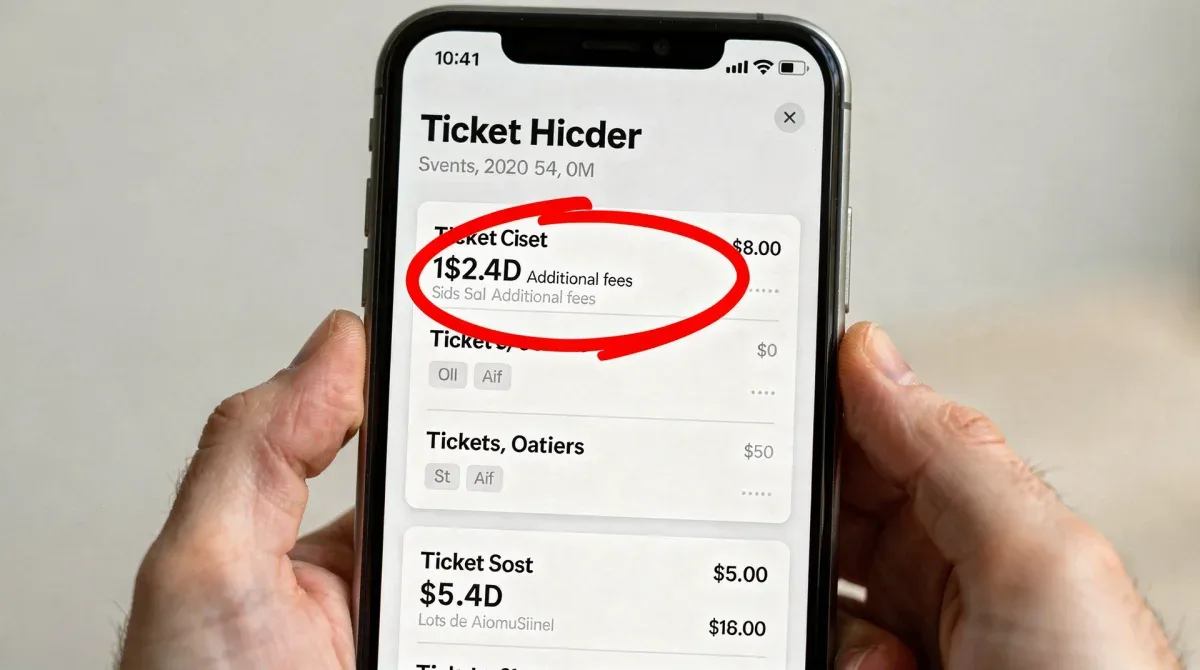
Official resale channels provide several benefits over traditional secondary markets. They typically offer verified tickets, reducing the risk of fraud, and their fee structures are generally more transparent due to stricter oversight. This means the price you see is often the price you pay, or very close to it.
When considering an official resale platform, check for endorsements from the artist, venue, or primary ticket seller. Look for features like Ticketmaster's Fan-to-Fan Resale or AXS Official Resale, which are designed to protect both buyers and sellers. These platforms often integrate directly with the original ticketing system, guaranteeing ticket authenticity.
- Authenticity Guaranteed: Reduced risk of counterfeit tickets.
- Fairer Pricing: Often capped at or near face value, plus transparent fees.
- Secure Transactions: Built-in protections for both buyers and sellers.
- Last-Minute Opportunities: Tickets often become available closer to the event date.
It's important to differentiate between official resale platforms and unregulated secondary markets. While the latter might offer a wider array of tickets, they often come with higher risks, less transparent fees, and a greater chance of encountering fraudulent listings. Stick to trusted, officially sanctioned channels whenever possible to ensure a secure and transparent purchase.
In summary, official resale and fan-to-fan marketplaces are an invaluable resource for concertgoers. By prioritizing these regulated channels, you can often find tickets at fair prices with clear fee structures, avoiding the hidden surcharges and uncertainties of less reputable sites.
Strategy 3: Utilize Credit Card Perks and Loyalty Programs
Beyond the direct purchase price and fees, savvy concertgoers can significantly reduce their overall spending by leveraging credit card perks and loyalty programs. Many credit cards offer benefits that can offset ticket costs, provide exclusive access, or even waive certain fees, turning your plastic into a powerful tool for savings.
Look for credit cards that offer specific rewards categories for entertainment, or those that provide cash back on all purchases. Some premium travel cards might even include annual entertainment credits that can be used for concert tickets. Additionally, certain card issuers have partnerships with ticketing platforms or venues, granting early access to presales or discounted tickets, which often come with fewer fees attached.
Unlocking exclusive presales and discounts
One of the most valuable perks is access to exclusive presales. These presales often allow you to purchase tickets before the general public, securing better seats at face value before they hit the secondary market where prices and fees can skyrocket. Sometimes, presale tickets also come with lower service fees as part of the promotional offer.
Furthermore, loyalty programs offered by ticketing platforms themselves can be highly beneficial. Signing up for free accounts and subscribing to newsletters from sites like Ticketmaster, Live Nation, or AXS can alert you to fan-club presales, special promotions, and sometimes even fee-free ticketing days. These platforms often reward loyal customers with exclusive offers that can circumvent some of the standard surcharges.
- Credit Card Rewards: Earn cash back, points, or entertainment credits.
- Presale Access: Get early access to tickets, often with better pricing and fewer fees.
- Loyalty Programs: Sign up for vendor newsletters for exclusive offers and promotions.
- Bank Partnerships: Check if your bank offers special deals with ticketing companies.
Always read the fine print of your credit card benefits and loyalty program terms to understand how to best utilize them for concert ticket purchases. While these strategies might not directly eliminate platform surcharges, they can significantly reduce your overall expenditure, making the hidden fees less impactful on your wallet.
In essence, integrating your financial tools with your entertainment planning can lead to substantial savings. By strategically using credit card perks and engaging with loyalty programs, you add another layer of defense against the full brunt of concert ticket fees.
Strategy 4: Consider Venue Box Office Purchases
In an increasingly digital world, the old-fashioned method of purchasing tickets directly from the venue box office remains one of the most reliable ways to avoid or significantly reduce online platform surcharges. While it may require a bit more effort and planning, the savings can be considerable, especially for high-value tickets.
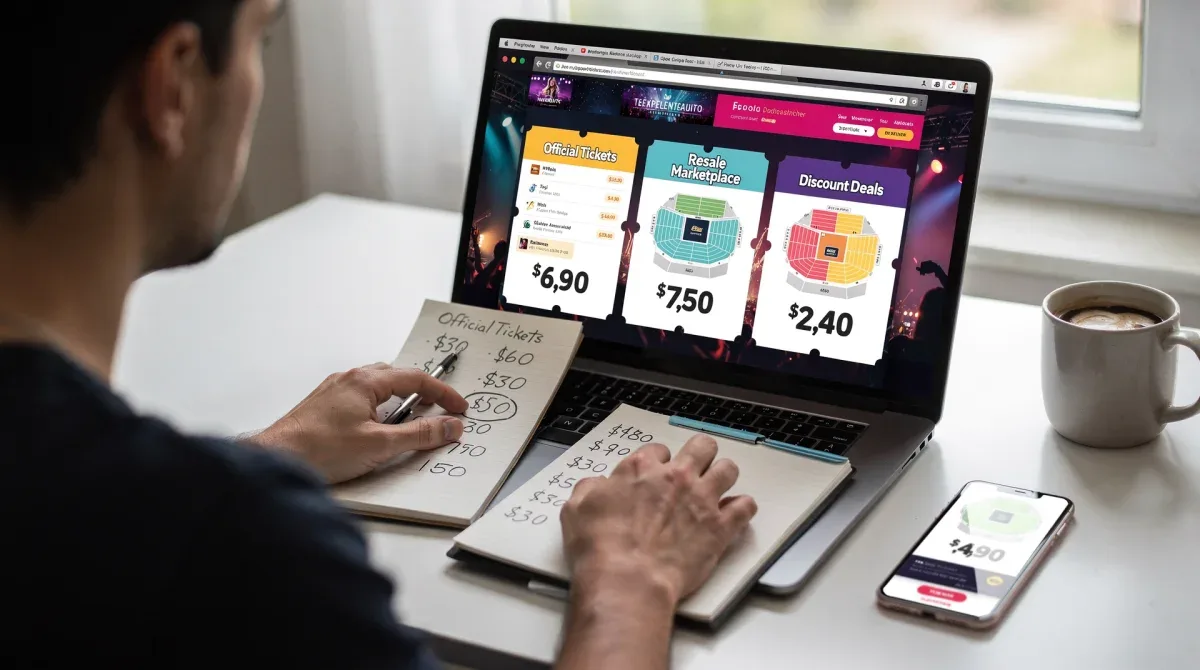
Many venues, particularly smaller clubs and theaters, still sell tickets directly at their box offices, often with significantly lower service fees or sometimes no fees at all beyond the face value. This is because they bypass the digital infrastructure and associated costs charged by major online ticketing platforms. It's a direct transaction that benefits both the consumer and the venue.
The forgotten benefit of direct venue sales
Before committing to an online purchase, always check the venue's official website for box office hours and policies. Some venues might only open their box office on event days or for specific periods leading up to a show. Others have regular business hours where you can walk up and buy tickets in person. A quick phone call can confirm their current policy.
While this strategy might not be feasible for everyone, especially those living far from the venue, it's an excellent option for local concertgoers or those planning a trip where they can visit the box office beforehand. The small inconvenience of a physical trip can translate into substantial savings, making the effort well worth it.
- Reduced Fees: Often significantly lower or zero service fees compared to online.
- Direct Purchase: Avoid third-party platform charges entirely.
- Authenticity: Guaranteed genuine tickets directly from the source.
- Local Support: Directly supports the venue without intermediary cuts.
It's important to note that even box office purchases might include a small facility fee, but these are typically much lower than the cumulative service charges imposed by online platforms. Always inquire about the total price when purchasing in person to ensure full transparency.
In conclusion, don't overlook the power of the venue box office. In an era dominated by digital transactions and hidden fees, this traditional method stands out as a strong strategy for concertgoers looking to minimize surcharges and get the most value for their money.
Navigating Dynamic Pricing and Platinum Tickets
Beyond standard fees, concertgoers often encounter dynamic pricing and 'platinum tickets,' which can significantly inflate costs. Dynamic pricing allows ticket prices to fluctuate based on demand, similar to airline tickets, while platinum tickets are premium seats sold at market-driven prices directly by the primary vendor, often well above face value.
Understanding these mechanisms is crucial for avoiding overpaying. Dynamic pricing means that as demand for a show increases, so does the ticket price. This can happen rapidly, especially for popular artists. Platinum tickets, while offering prime locations, are essentially a way for primary sellers to capture secondary market profits, sometimes without the same level of fee transparency as standard tickets.
Understanding the market's influence on pricing
To combat dynamic pricing, try to purchase tickets as soon as they go on sale, especially during presales. The initial release often sees the lowest prices before demand drives them up. If you miss the initial window, waiting until closer to the event date can sometimes lead to price drops if tickets aren't selling as quickly as anticipated, though this carries the risk of the show selling out.
When encountering platinum tickets, evaluate if the premium price is genuinely worth the seat location for you. These tickets are often strategically placed to appeal to those willing to pay extra for an optimal view or experience. However, they are distinct from hidden fees; their higher cost is an advertised feature. Always compare platinum ticket prices to standard tickets in similar sections to gauge their true value.
- Buy Early: Secure tickets during presales to avoid dynamic price increases.
- Monitor Demand: Observe how quickly tickets are selling to anticipate price changes.
- Evaluate Platinum Value: Assess if the premium seat justifies the higher, advertised price.
- Consider Alternatives: Look for standard tickets in slightly less prime locations to save money.
The key to navigating dynamic pricing and platinum tickets is informed decision-making. By understanding how these pricing models work and being strategic about when and where you buy, you can avoid paying significantly more than necessary. It's about being a smart consumer in a complex market.
In conclusion, while dynamic pricing and platinum tickets are not 'hidden fees' in the traditional sense, they represent significant cost considerations. By being aware of these pricing strategies and acting strategically, you can still find good value and avoid paying inflated prices for your concert experience.
The Future of Concert Ticket Sales: What to Expect
The concert ticket industry is in a constant state of flux, driven by technological advancements, evolving consumer expectations, and increasing regulatory scrutiny. Looking ahead, concertgoers can anticipate further changes that will impact how tickets are priced, sold, and accessed. These developments aim to create a more equitable and transparent marketplace, but vigilance will still be key.
One major trend is the continued push for stricter 'all-in pricing' laws across more states and potentially at the federal level. This widespread adoption would standardize pricing transparency, making it easier for consumers nationwide to understand the true cost of their tickets upfront. Additionally, blockchain technology and NFT ticketing are emerging as potential solutions to combat fraud and create more secure, verifiable ticket ownership, which could also influence fee structures.
Innovations and regulatory changes on the horizon
Another area of development is personalized pricing and enhanced fan experiences. Expect more tailored offers based on your loyalty, past purchases, and demographics, potentially leading to exclusive deals or early access. Venues and artists are also exploring direct-to-fan sales models, which could bypass traditional ticketing platforms and their associated fees entirely, fostering a more direct relationship with their audience.
- Widespread All-In Pricing: Expect more states to adopt transparency laws.
- Blockchain Ticketing: Potential for enhanced security and fraud reduction.
- Personalized Offers: Tailored deals and early access based on fan loyalty.
- Direct-to-Fan Sales: Artists and venues exploring direct selling to reduce fees.
However, with every innovation comes new challenges. While technology can enhance security and transparency, it also presents opportunities for new types of fees or data monetization. Consumers will need to stay informed about privacy policies and how their data is used in personalized offers. The balance between convenience, cost, and consumer protection will continue to be a central theme in the evolution of concert ticket sales.
In summary, the future of concert ticket sales is likely to be characterized by greater transparency, technological innovation, and a continued focus on consumer protection. By staying informed about these trends and adapting your purchasing strategies, you can remain ahead of the curve and continue to enjoy live music without the burden of excessive hidden fees.
| Key Strategy | Brief Description |
|---|---|
| All-In Pricing | Utilize platforms showing total costs upfront for accurate comparisons. |
| Official Resale | Buy from authorized fan-to-fan marketplaces for verified tickets and fair fees. |
| Credit Card Perks | Leverage rewards, presales, and loyalty programs to offset costs. |
| Venue Box Office | Purchase tickets directly from the venue to avoid most online service fees. |
Frequently Asked Questions About Concert Ticket Fees
What are 'all-in pricing' regulations for concert tickets?▼All-in pricing regulations mandate that the initial ticket price displayed to consumers must include all mandatory fees, such as service charges and facility fees. This excludes only taxes and optional shipping, providing a clear, total cost upfront to enhance transparency and prevent hidden surcharges at checkout.
How can I avoid hidden platform surcharges when buying concert tickets?▼To avoid hidden surcharges, prioritize platforms with all-in pricing, utilize official resale marketplaces, leverage credit card perks for presales or discounts, and consider purchasing tickets directly from the venue box office, which often has fewer or no service fees compared to online vendors.
Are official resale marketplaces safer than unregulated secondary markets?▼Yes, official resale marketplaces are generally safer. They often partner directly with artists and venues, offering verified tickets and transparent fee structures. This significantly reduces the risk of fraud and ensures fairer pricing compared to unregulated secondary markets, where authenticity and hidden fees are common concerns.
Do credit card loyalty programs help with concert ticket costs?▼Absolutely. Many credit card loyalty programs offer benefits like cash back on entertainment purchases, exclusive presale access, or special discounts through partnerships with ticketing platforms. These perks can significantly offset the overall cost of tickets, including some fees, making your concert experience more affordable.
What is dynamic pricing, and how does it affect ticket prices?▼Dynamic pricing is a system where ticket prices fluctuate based on real-time demand, similar to airline fares. As more people seek tickets, prices can increase. To mitigate this, consider buying tickets during presales when they are typically at their lowest, or monitor demand for potential price drops closer to the event date.
Conclusion
Navigating the complex world of concert ticket purchases, especially with evolving fee regulations, requires a proactive and informed approach. By understanding the shift towards all-in pricing, strategically utilizing official resale markets, leveraging credit card benefits, and considering direct box office purchases, concertgoers can significantly reduce the impact of hidden platform surcharges. Staying abreast of industry trends and regulatory changes will empower you to make smarter decisions, ensuring that your passion for live music doesn't come with unexpected financial surprises. Enjoy the show, knowing you've secured your tickets with confidence and savvy.
