National Supply Chain Shift: Retailers Cut Freight Inefficiency
Major retail enterprises in the United States are significantly cutting freight inefficiency by 18% through the strategic implementation of automated fleet logistics, marking a pivotal shift in national supply chain operations.
The landscape of retail logistics is undergoing a profound transformation, as major enterprises embrace advanced solutions to optimize their operations. The national supply chain shift: major retail enterprises cut freight inefficiency by 18% through automated fleet logistics, demonstrating a significant leap forward in operational efficiency and cost reduction.
The imperative for automated fleet logistics in modern retail
In an era defined by rapid consumer demand and escalating operational costs, the traditional paradigms of freight management are no longer sufficient. Retail enterprises face immense pressure to deliver goods faster, more reliably, and at a lower cost. This challenge has propelled many toward innovative solutions, with automated fleet logistics emerging as a cornerstone of modern supply chain strategy.
The complexity of managing large vehicle fleets, optimizing routes, and ensuring timely deliveries demands a level of precision and responsiveness that human-centric systems often struggle to match. Automation offers a pathway to overcome these hurdles, providing tools that can analyze vast datasets, predict potential disruptions, and dynamically adjust operations in real-time. This shift is not merely about adopting new technology; it represents a fundamental rethinking of how goods move from origin to destination.
Addressing the core inefficiencies in freight operations
Historically, freight inefficiency has plagued the retail sector, manifesting in various forms such as suboptimal routing, empty backhauls, excessive fuel consumption, and prolonged idle times. These inefficiencies directly impact profitability and contribute to environmental concerns. Automated systems are designed to systematically target and mitigate these issues.
- Route Optimization: Advanced algorithms calculate the most efficient routes, considering traffic, weather, and delivery schedules.
- Load Maximization: Systems help optimize cargo loading to ensure vehicles operate at full capacity, reducing the number of trips.
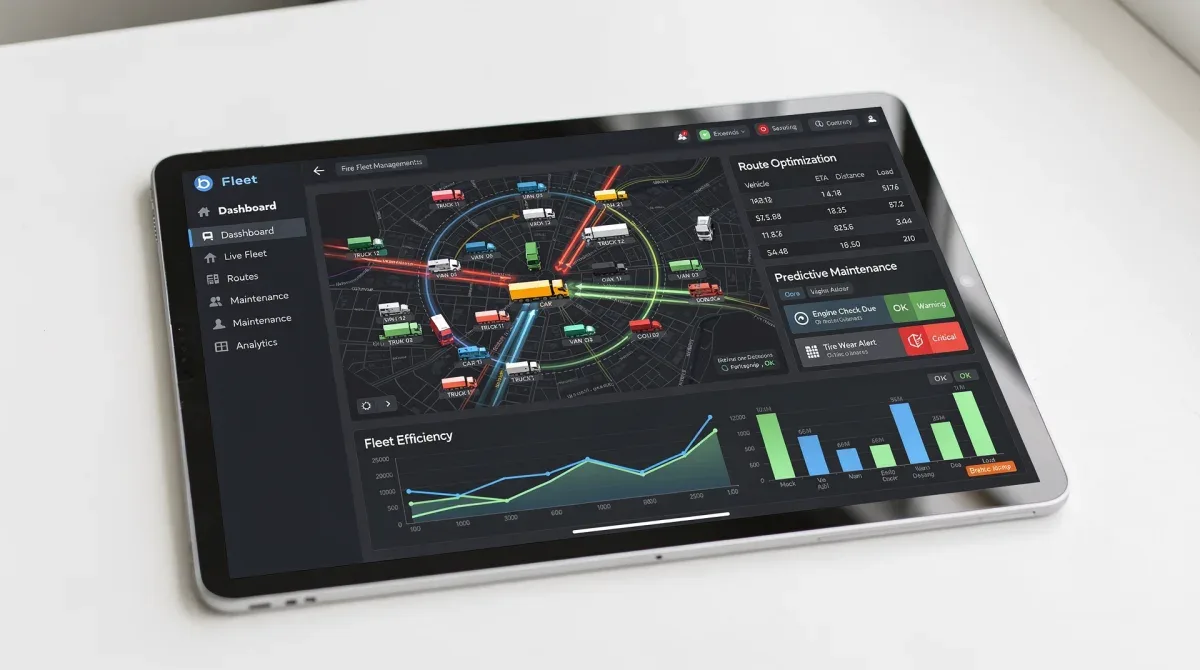
- Predictive Maintenance: Telematics data enables proactive vehicle maintenance, minimizing unexpected breakdowns and delays.
- Real-time Tracking: GPS and IoT sensors provide constant visibility into fleet location and status, enhancing security and responsiveness.
The integration of these capabilities creates a synergistic effect, where each component contributes to an overall improvement in efficiency. The data collected from automated systems also provides invaluable insights for continuous process improvement, allowing enterprises to fine-tune their logistics strategies over time. This continuous feedback loop is crucial for maintaining a competitive edge in a dynamic market.
Ultimately, the transition to automated fleet logistics is a strategic investment that yields substantial returns. By systematically addressing the root causes of freight inefficiency, retail enterprises can not only reduce operational costs but also enhance customer satisfaction through more reliable and timely deliveries. This proactive approach positions them for sustained growth and resilience in a challenging economic climate.
Technological backbone: AI, IoT, and machine learning

The impressive gains in freight efficiency observed in major retail enterprises are largely attributable to the sophisticated technological backbone supporting automated fleet logistics. Artificial intelligence (AI), the Internet of Things (IoT), and machine learning (ML) are not just buzzwords; they are the fundamental pillars enabling this revolution. These technologies work in concert to create intelligent, self-optimizing logistics ecosystems.
IoT devices, embedded in vehicles and infrastructure, generate a continuous stream of data points—everything from vehicle speed and fuel consumption to engine diagnostics and cargo temperature. This raw data is then fed into AI and ML algorithms, which process it to identify patterns, predict outcomes, and recommend optimal actions. The sheer volume and velocity of this data would overwhelm human analysis, but for AI, it's the fuel for intelligent decision-making.
How AI drives intelligent decision-making
AI algorithms are at the heart of route optimization, dynamically adjusting plans based on live traffic updates, weather forecasts, and even unexpected road closures. This real-time adaptability is critical for maintaining delivery schedules and minimizing delays. Beyond routing, AI also plays a crucial role in demand forecasting, helping retailers anticipate future needs and position inventory strategically to reduce expedited shipping costs.
Machine learning models continuously learn from historical data and operational outcomes, refining their predictions and recommendations over time. This iterative learning process means that the automated logistics system becomes smarter and more efficient with every mile driven and every package delivered. The ability to predict potential bottlenecks or equipment failures before they occur allows for proactive intervention, preventing costly disruptions.
- Predictive Analytics: ML models forecast demand, predict equipment failures, and anticipate delivery times with high accuracy.
- Natural Language Processing (NLP): AI-powered systems can interpret and respond to queries, streamlining communication within the logistics network.
- Computer Vision: Used in warehouses for automated inventory checks and in vehicles for driver assistance and safety monitoring.
The integration of these advanced technologies extends beyond mere automation; it creates an intelligent network that can sense, analyze, and adapt. This level of sophistication allows retail enterprises to move beyond reactive problem-solving to a proactive, predictive approach to logistics. The result is a more resilient and responsive supply chain, capable of navigating the complexities of modern commerce with unprecedented efficiency.
Ultimately, the technological synergy of AI, IoT, and machine learning is what empowers automated fleet logistics to deliver such significant reductions in freight inefficiency. These tools provide the intelligence and agility necessary to transform logistics from a cost center into a strategic advantage, driving both operational excellence and competitive differentiation.
Impact on operational costs and environmental footprint
The adoption of automated fleet logistics by major retail enterprises has far-reaching implications beyond mere efficiency gains. Two of the most significant impacts are the substantial reduction in operational costs and a noticeable improvement in their environmental footprint. These benefits underscore the strategic value of investing in advanced logistics solutions, aligning economic goals with sustainability objectives.
From a cost perspective, the 18% reduction in freight inefficiency translates directly into significant savings. Fuel is a major expenditure for any fleet operation, and optimized routing, reduced idling, and efficient driving practices—all facilitated by automation—lead to considerable fuel consumption decreases. Furthermore, predictive maintenance reduces unexpected repair costs and extends the lifespan of vehicles, lowering capital expenditures over time. Labor costs are also optimized through better scheduling and reduced overtime, allowing human resources to be allocated to more strategic tasks.
Beyond the immediate financial benefits, the environmental advantages are equally compelling. A more efficient fleet is inherently a greener fleet. Reduced fuel consumption directly correlates with lower greenhouse gas emissions, helping retail enterprises meet their sustainability targets and comply with increasingly stringent environmental regulations. Optimized routes and fewer empty miles also mean less wear and tear on roads and reduced traffic congestion, contributing to broader community benefits.
Driving sustainability through smarter logistics
The push for sustainability is no longer a peripheral concern but a central tenet of corporate strategy. Consumers increasingly favor brands that demonstrate a commitment to environmental responsibility, making green logistics a competitive differentiator. Automated fleet logistics provides a tangible mechanism for companies to act on this commitment.
- Reduced Carbon Emissions: Optimized routes and efficient driving minimize fuel burn and associated CO2 emissions.
- Lower Waste: Better inventory management through predictive analytics reduces spoilage and returns, decreasing overall waste.
- Resource Optimization: Maximizing vehicle capacity and reducing unnecessary trips conserves resources across the supply chain.
The data collected by automated systems also provides granular insights into environmental performance, allowing companies to track their progress and identify further areas for improvement. This transparency is invaluable for reporting and communicating sustainability efforts to stakeholders and the public. By making their operations more efficient, retailers are not just saving money; they are actively contributing to a more sustainable future.
In essence, automated fleet logistics offers a dual advantage: it boosts the bottom line through cost savings while simultaneously enhancing a company's environmental stewardship. This synergistic effect makes it an attractive investment for retail enterprises looking to thrive in an increasingly conscious and competitive market. The long-term benefits extend beyond the individual company, contributing to a more efficient and sustainable national supply chain.
Challenges and considerations in implementation
While the benefits of automated fleet logistics are clear, the path to implementation is not without its challenges. Major retail enterprises embarking on this national supply chain shift must navigate a complex landscape of technological integration, workforce adaptation, and significant initial investment. Understanding these considerations is crucial for a successful transition and for realizing the promised 18% reduction in freight inefficiency.
One primary challenge is the capital expenditure required to acquire and implement advanced automation technologies. This includes investing in new software platforms, IoT sensors, telematics devices, and potentially even autonomous vehicles. For some enterprises, the upfront cost can be substantial, necessitating careful financial planning and a clear return on investment (ROI) strategy. Furthermore, integrating these new systems with existing legacy infrastructure can be complex, requiring robust IT expertise and potentially causing temporary disruptions to operations.
Navigating the human element and data security
Beyond technology, the human element presents another significant consideration. The introduction of automation often requires reskilling existing workforces and hiring new talent with specialized expertise in data analytics, AI, and robotics. Resistance to change from employees accustomed to traditional methods can also be a hurdle, requiring effective change management strategies and clear communication about the benefits of automation for both the company and its workforce.
- Workforce Retraining: Investing in programs to upskill employees for new roles in managing automated systems.
- Data Privacy and Security: Implementing robust cybersecurity measures to protect sensitive operational data from breaches.
- Regulatory Compliance: Ensuring all automated operations adhere to local, state, and national transportation regulations.
- Scalability: Designing systems that can grow and adapt as the enterprise's needs and market conditions evolve.
Data security and privacy are paramount in an interconnected logistics network. The vast amounts of data generated by automated fleets must be protected from cyber threats, and companies must comply with stringent data protection regulations. A breach could not only compromise operational integrity but also damage customer trust and incur significant financial penalties.
Finally, the regulatory landscape for autonomous vehicles and advanced logistics technologies is still evolving. Enterprises must stay abreast of new laws and guidelines to ensure their operations remain compliant. Despite these challenges, the long-term strategic advantages of automated fleet logistics—including enhanced efficiency, cost savings, and improved sustainability—often outweigh the initial hurdles, making it a worthwhile endeavor for forward-thinking retail enterprises.
Enhanced visibility and real-time decision-making
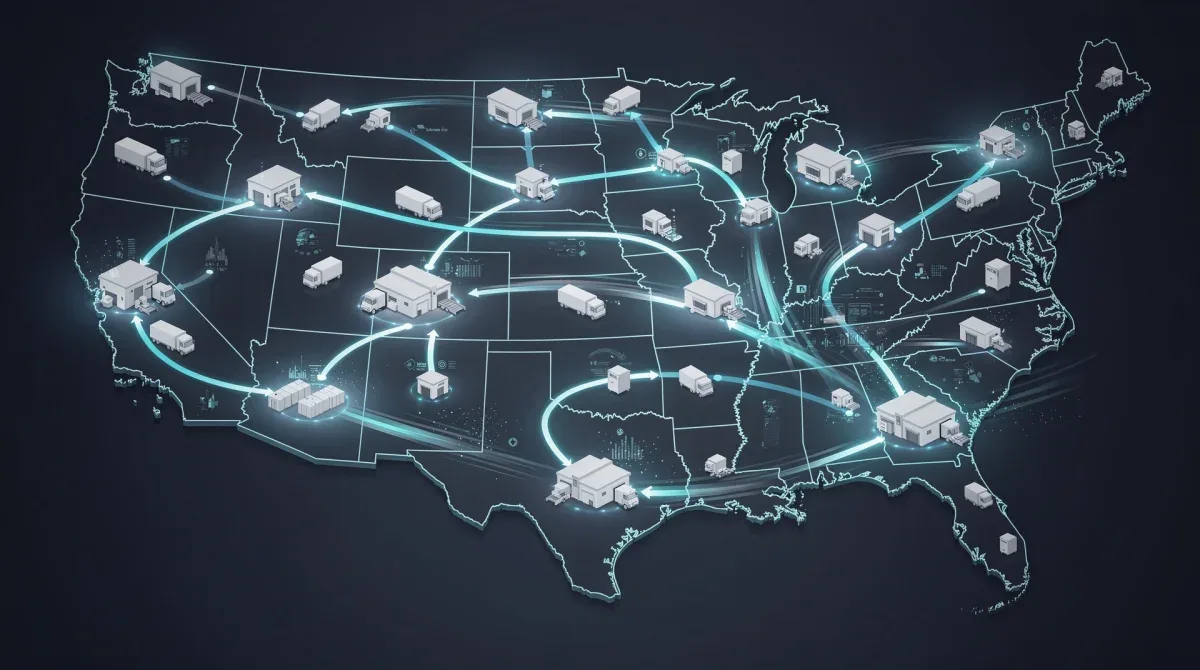
A cornerstone of the success observed in the national supply chain shift towards automated fleet logistics is the dramatic improvement in visibility and the capacity for real-time decision-making. Traditional logistics often operated with significant blind spots, relying on delayed reports and manual checks. Automated systems, however, eliminate these gaps, providing a comprehensive, up-to-the-minute view of the entire fleet and supply chain operations.
Through integrated telematics, GPS tracking, and IoT sensors, logistics managers gain unprecedented insight into every aspect of their fleet: vehicle location, speed, fuel levels, driver behavior, and even cargo conditions. This granular data is aggregated and presented through intuitive dashboards, allowing for immediate comprehension of complex operational statuses. This enhanced visibility is not just about knowing where assets are; it's about understanding their performance and potential issues before they escalate.
Agile responses to dynamic market conditions
The ability to make real-time decisions is perhaps the most powerful outcome of this enhanced visibility. When unexpected events occur—a sudden traffic jam, a vehicle breakdown, or a change in customer order—automated systems can instantly re-evaluate routes, reassign drivers, or divert shipments. This agility is critical in maintaining delivery schedules and mitigating the financial impact of disruptions. It transforms logistics from a reactive function into a proactive, adaptive system.
- Dynamic Route Adjustments: Real-time traffic and weather data enable immediate rerouting to avoid delays.
- Proactive Issue Resolution: Alerts for potential equipment failures or driver deviations allow for swift intervention.
- Improved Customer Communication: Accurate ETAs and status updates can be shared with customers, enhancing satisfaction.
- Optimized Resource Allocation: Managers can quickly reallocate vehicles or personnel based on immediate needs and demand fluctuations.
Furthermore, real-time data empowers managers to identify and address inefficiencies as they arise, rather than waiting for post-mortem analysis. This continuous monitoring and adjustment lead to a culture of continuous improvement, where every operational cycle provides new insights for optimization. The result is a highly responsive and resilient supply chain, capable of navigating the unpredictable nature of modern commerce.
In conclusion, enhanced visibility and real-time decision-making are transformative capabilities brought by automated fleet logistics. They provide the intelligence and agility necessary for retail enterprises to operate with unparalleled efficiency, reduce costs, and deliver superior service in a constantly changing market. This shift towards data-driven, instantaneous control is a key factor in achieving and sustaining the impressive reductions in freight inefficiency.
Future outlook: continued innovation and expansion
The current 18% reduction in freight inefficiency achieved by major retail enterprises through automated fleet logistics is just the beginning. The future outlook for this national supply chain shift points towards continued innovation and significant expansion of these technologies. As AI, IoT, and machine learning evolve, so too will the capabilities of automated logistics, promising even greater efficiencies and transformative impacts on the retail sector.
One key area of future innovation is the increasing sophistication of autonomous vehicles. While fully self-driving trucks are still in their nascent stages, advancements in sensor technology, AI decision-making, and regulatory frameworks will gradually pave the way for their widespread adoption. This will further reduce labor costs, increase operational hours, and potentially enhance safety on the roads. The integration of drones for last-mile delivery, especially in urban and remote areas, also holds immense potential for speeding up delivery times and reducing costs.
Emerging technologies shaping tomorrow's logistics
Beyond autonomous vehicles, several other emerging technologies are poised to reshape the future of automated logistics. Blockchain, for instance, could enhance transparency and security across the supply chain, providing an immutable record of transactions and shipments. Advanced robotics in warehouses and distribution centers will seamlessly integrate with automated fleets, creating an end-to-end automated logistics ecosystem.
- Hyperloop Technology: Although still conceptual, high-speed cargo transport systems could revolutionize inter-city freight movement.
- 5G and Edge Computing: Faster data processing and reduced latency will enable even more immediate and complex real-time decision-making.
- Sustainable Energy Fleets: The transition to electric and hydrogen-powered autonomous vehicles will further reduce environmental impact.
- Predictive Demand Networks: AI will create highly accurate predictive models, optimizing inventory placement long before orders are placed.
The expansion of automated fleet logistics will also see greater collaboration and data sharing across different enterprises and logistics partners. This will foster a more interconnected and resilient national supply chain, where resources can be pooled and optimized on a larger scale. The development of common standards and interoperable platforms will be crucial for facilitating this widespread integration.
The future of retail logistics is undoubtedly intelligent, automated, and highly interconnected. Enterprises that continue to invest in and adapt to these technological advancements will be best positioned to thrive in an increasingly competitive and dynamic market. The journey towards a fully optimized, highly efficient national supply chain is ongoing, with automated fleet logistics leading the charge into a new era of operational excellence.
Strategic partnerships and ecosystem development
The profound changes brought by the national supply chain shift are not happening in isolation. Major retail enterprises are increasingly recognizing the importance of strategic partnerships and the development of robust logistics ecosystems to fully leverage the benefits of automated fleet logistics. This collaborative approach is essential for overcoming complex challenges and accelerating the adoption of innovative solutions, driving the 18% reduction in freight inefficiency even further.
Building a comprehensive automated logistics system often requires expertise that extends beyond a single organization's capabilities. Retailers are partnering with technology providers specializing in AI, IoT, and machine learning, as well as with logistics service providers who can integrate these technologies into their operational frameworks. These partnerships enable access to cutting-edge solutions without the prohibitive cost of developing everything in-house, fostering innovation and risk-sharing.
Collaborative models for enhanced supply chain resilience
Beyond technology vendors, partnerships with academic institutions and research centers are crucial for exploring future innovations and addressing industry-specific challenges. This collaborative ecosystem approach also extends to sharing best practices and data anonymized insights among non-competing entities, leading to collective improvements in efficiency and resilience across the broader supply chain.
- Technology Alliances: Collaborating with AI, IoT, and software developers to customize solutions for specific retail needs.
- Logistics Service Providers (LSPs): Partnering with 3PLs and 4PLs that specialize in implementing and managing automated fleets.
- Industry Consortia: Joining groups to establish industry standards and share knowledge on best practices in automation.
- Government and Regulatory Bodies: Working with authorities to shape policies that support technological advancements in logistics.
The development of a strong ecosystem also fosters greater resilience against disruptions. By diversifying partnerships and integrating multiple service providers, retail enterprises can create a more robust and flexible supply chain that is less vulnerable to single points of failure. This distributed model of operations enhances the overall stability of the national supply chain, benefiting all participants.
Moreover, strategic partnerships can facilitate the standardization of data formats and communication protocols, which are critical for seamless integration across different platforms and companies. This interoperability is key to creating a truly connected and efficient logistics network. In essence, the future of automated fleet logistics is not just about individual technological advancements, but about the collective intelligence and collaborative spirit of a well-developed ecosystem. This approach ensures that the benefits of automation are maximized, driving sustainable growth and efficiency for all.
The economic ripple effect and market competitiveness
The national supply chain shift, characterized by major retail enterprises cutting freight inefficiency by 18% through automated fleet logistics, is generating a significant economic ripple effect throughout the market. This transformation is not only optimizing individual company operations but also reshaping market competitiveness, influencing consumer expectations, and stimulating innovation across various sectors.
Economically, the reduction in logistics costs frees up capital that retailers can reinvest in other areas, such as product development, marketing, or further technological upgrades. This reinvestment fuels economic growth and creates new opportunities. Lower freight costs can also translate into more competitive pricing for consumers, potentially increasing sales volumes and market share for enterprises that effectively leverage automation. The efficiency gains also contribute to higher profit margins, attracting investors and strengthening the financial health of these companies.
Shaping consumer expectations and industry standards
The improved reliability and speed of delivery, driven by automated logistics, are raising consumer expectations. Customers now anticipate faster, more precise delivery windows and greater transparency in tracking their orders. Retailers that fail to meet these evolving expectations risk losing market share to more agile competitors. This creates a powerful incentive for all players in the retail sector to adopt similar automation strategies, driving widespread industry transformation.
- Increased Market Share: Efficient logistics allow retailers to offer competitive pricing and faster delivery, attracting more customers.
- Innovation in Ancillary Industries: Demand for automated solutions spurs growth in AI, IoT, robotics, and software development sectors.
- Job Market Evolution: Creates new roles in technology management, data analytics, and automation maintenance, shifting workforce demands.
- Supply Chain Resilience: A more efficient national supply chain reduces vulnerability to disruptions, benefiting the overall economy.
Furthermore, the success of early adopters in automated fleet logistics is setting new industry standards. Competitors are compelled to innovate and implement similar solutions to remain relevant. This competitive pressure accelerates the pace of technological adoption and encourages further investment in research and development, leading to a virtuous cycle of innovation and efficiency improvements across the entire logistics ecosystem.
The economic ripple effect extends to ancillary industries as well. The demand for automated logistics solutions drives innovation and growth in technology companies specializing in AI, robotics, and data analytics. It also creates new job opportunities in these emerging fields, even as some traditional roles may evolve. Ultimately, the shift towards automated fleet logistics is not just a logistical improvement; it's a powerful economic catalyst, enhancing market competitiveness and driving broader prosperity.
| Key Aspect | Brief Description |
|---|---|
| Efficiency Gains | Major retailers cut freight inefficiency by 18% through automation. |
| Technological Drivers | AI, IoT, and machine learning are core to automated fleet logistics. |
| Cost & Environment | Significant reductions in operational costs and carbon emissions. |
| Future Outlook | Continued innovation in autonomous vehicles and integrated ecosystems. |
Frequently asked questions about automated fleet logistics
What is automated fleet logistics?▼Automated fleet logistics refers to the use of advanced technologies like AI, IoT, and machine learning to manage and optimize vehicle fleets. It encompasses everything from intelligent route planning and real-time tracking to predictive maintenance and automated scheduling, aiming to enhance efficiency and reduce operational costs in freight transportation.
How do retailers achieve an 18% reduction in inefficiency?▼Retailers achieve this reduction by leveraging automated systems for optimized route planning, load maximization, and real-time adjustments to unforeseen circumstances. These technologies minimize fuel consumption, reduce idle times, prevent breakdowns, and streamline delivery processes, all contributing to significant efficiency gains across the supply chain.
What are the main technologies involved?▼The primary technologies include Artificial Intelligence (AI) for decision-making and optimization, the Internet of Things (IoT) for data collection from sensors and devices, and Machine Learning (ML) for continuous improvement through data analysis and pattern recognition. These work synergistically to create intelligent logistics systems.
What are the environmental benefits of automated logistics?▼Automated logistics significantly reduces the environmental footprint by optimizing routes and maximizing load capacity, which leads to lower fuel consumption and consequently, reduced greenhouse gas emissions. It also helps minimize waste through better inventory management and less spoilage, supporting corporate sustainability goals.
What challenges do companies face implementing these systems?▼Implementation challenges include substantial initial capital investment, integrating new technologies with existing legacy systems, retraining the workforce, ensuring robust data security and privacy, and navigating evolving regulatory landscapes. Overcoming these requires strategic planning and effective change management.
Conclusion
The national supply chain shift, driven by major retail enterprises embracing automated fleet logistics, represents a pivotal moment in modern commerce. The reported 18% reduction in freight inefficiency underscores the tangible benefits of integrating advanced technologies like AI, IoT, and machine learning into operational frameworks. This transformation is not merely about cutting costs; it's about building more resilient, responsive, and sustainable supply chains that can meet the ever-increasing demands of consumers and the complexities of a globalized market. As innovation continues and collaborative ecosystems mature, the future of logistics promises even greater efficiencies and a profound reshaping of how goods move, benefiting both businesses and the environment.
