Ad-Tier Streaming 2026: Save $150 Annually
In 2026, nearly half of all streaming subscribers are choosing ad-supported tiers, saving over $150 annually on their entertainment costs, reflecting a significant shift in consumer behavior towards more budget-conscious viewing habits.
The landscape of digital entertainment is constantly evolving, and by 2026, a significant trend has emerged: the 2026 guide to ad-tier streaming: why 48% of viewers are downgrading to save over $150 annually. This shift isn't just about cutting costs; it reflects a broader re-evaluation of value in our subscription-heavy lives.
The rise of ad-supported streaming in 2026
The year 2026 marks a pivotal moment in the streaming industry. What was once seen as a premium, ad-free experience has increasingly embraced advertising as a viable and popular monetization strategy. This evolution is driven by both consumer demand for more affordable options and the platforms' need to diversify revenue streams in a highly competitive market.
Consumers, faced with an ever-growing array of subscription services and rising living costs, are becoming savvier about their entertainment budgets. The allure of saving a substantial amount, often exceeding $150 annually, by simply accepting a few commercials, has proven irresistible to a large segment of the population. This isn't a compromise for many; it's a smart financial decision that still grants access to the vast libraries of content they desire.

Understanding the economic drivers behind the shift
Several economic factors contribute to this widespread adoption of ad-supported tiers. Inflationary pressures have made households more conscious of discretionary spending, and streaming subscriptions are often among the first areas scrutinized. Furthermore, the sheer volume of content available across multiple platforms means that subscribing to every premium, ad-free service can quickly become unsustainable.
- Subscription fatigue: Too many services lead to overwhelmed consumers.
- Cost-effectiveness: Ad-tiers offer significant savings without total content loss.
- Market saturation: Platforms compete aggressively on price and value.
- Technological advancements: Improved ad delivery and personalization make ads less intrusive.
The economic calculus is clear: for many, the trade-off of enduring a few minutes of commercials per hour is well worth the financial relief. This trend is not expected to slow down, as more streaming giants introduce or refine their ad-supported offerings to capture this expanding market segment. It highlights a mature streaming ecosystem where diverse pricing models cater to a wider range of consumer preferences and financial situations.
How ad-tiers reshape consumer viewing habits
The widespread adoption of ad-tier streaming isn't just about financial savings; it's fundamentally altering how consumers interact with their favorite content. Viewers are becoming more accustomed to commercial breaks, integrating them into their viewing routines in ways reminiscent of traditional television, yet with the added flexibility of on-demand access.
This shift also influences content consumption patterns. Some viewers might be more selective about what they watch on ad-supported tiers, prioritizing shows or movies they truly want to see over casual browsing, knowing that interruptions are part of the experience. Others might use ad-tiers for background viewing or for content that doesn't require their undivided attention, reserving ad-free experiences for premium, focused viewing sessions.
Navigating the new normal: expectations and adaptations
As ad-tiers become the norm for a significant portion of the audience, viewer expectations are also adapting. The quality and relevance of ads are becoming increasingly important. Intrusive or repetitive advertising can lead to frustration, while well-placed, personalized ads are more likely to be tolerated, or even engaged with. This puts pressure on advertisers and platforms to optimize their ad delivery systems.
- Acceptance of breaks: Viewers are mentally preparing for commercial interruptions.
- Content selection: Choosing specific content for ad-tier viewing.
- Ad relevance: Higher expectations for personalized and non-disruptive ads.
- Multi-platform strategy: Combining ad-free and ad-supported services.
Ultimately, the consumer's perception of value is paramount. If the savings are substantial enough, and the ad experience is manageable, the ad-tier model will continue to thrive. This dynamic interplay between cost, content, and commercialization is defining the next era of streaming entertainment, making it a more accessible, albeit slightly more interrupted, experience for millions.
The financial impact: saving over $150 annually
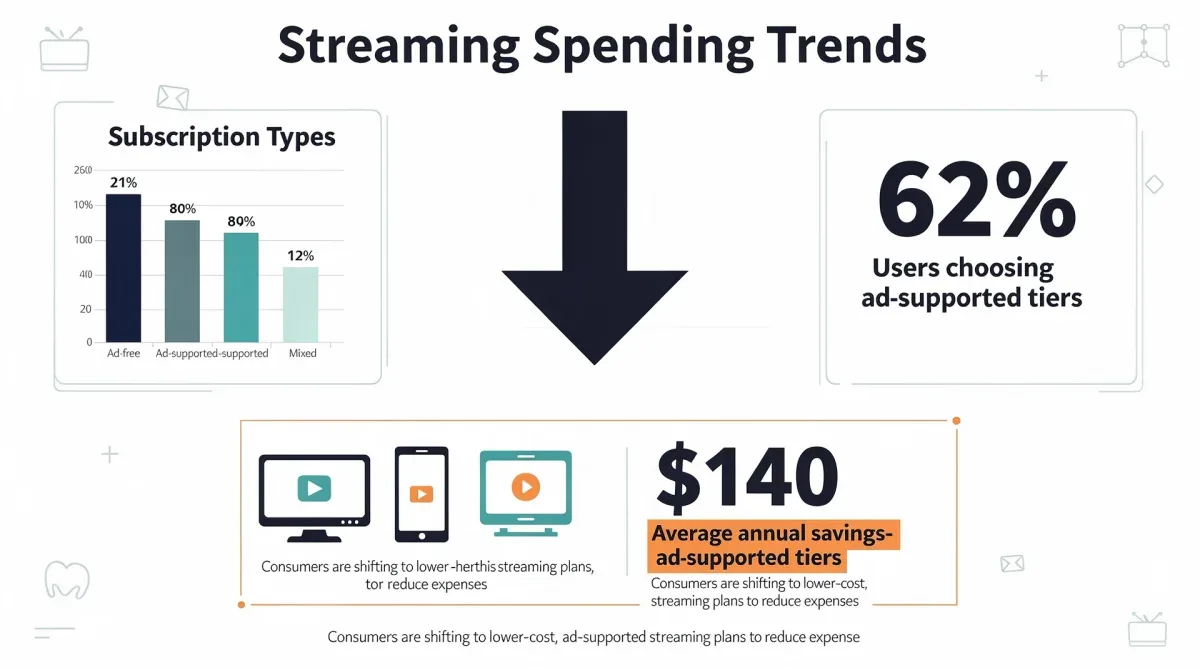
The most compelling argument for downgrading to an ad-tier streaming service is undoubtedly the significant financial savings. With many premium ad-free subscriptions costing upwards of $15-$20 per month per service, opting for ad-supported versions, often priced $5-$10 lower, quickly adds up to substantial annual savings. For households juggling multiple subscriptions, these savings can exceed $150, or even $200, annually.
Consider a scenario where a household subscribes to three major streaming platforms. If each platform offers an ad-tier option that is $5 cheaper per month, that's a total saving of $15 per month, equating to $180 over a year. This figure can be even higher if the price difference is greater or if more services are involved. These savings are not negligible, especially in an economic climate where every dollar counts.
Budgeting strategies with ad-tiers
Many consumers are integrating ad-tier subscriptions into broader personal finance strategies. By consciously choosing cheaper ad-supported plans, they free up funds that can be allocated to other essential expenses, savings, or even other forms of entertainment that might not offer ad-supported alternatives. It's a pragmatic approach to managing household budgets without sacrificing access to beloved content.
- Prioritizing needs: Reallocating savings to more pressing financial goals.
- Subscription audits: Regularly reviewing and optimizing streaming plans.
- Bundle opportunities: Exploring ad-supported bundles for even greater savings.
- Value perception: Weighing cost against the interruption of ads.
The financial relief offered by ad-tiers extends beyond just the monthly bill. It enables a more sustainable streaming habit, preventing subscription fatigue from turning into subscription cancellation. This makes ad-tiers a win-win: consumers save money, and streaming platforms retain subscribers who might otherwise churn due to rising costs.
The impact on streaming platforms and advertisers
The shift towards ad-tier streaming isn't just a consumer phenomenon; it's a strategic pivot for streaming platforms and a significant opportunity for advertisers. For platforms, ad-supported tiers provide a crucial additional revenue stream, allowing them to offset rising content costs and compete more effectively in a crowded market.
By offering a lower-priced option, platforms can attract a broader subscriber base, including those who were previously priced out of premium subscriptions. This expands their total addressable market and can lead to higher overall subscriber numbers, even if the average revenue per user (ARPU) for ad-tier subscribers is initially lower than their ad-free counterparts.
New opportunities for advertisers
Advertisers are keenly aware of the growing audience on ad-supported streaming platforms. This environment offers a unique opportunity to reach engaged viewers with highly targeted ads, leveraging the vast amounts of user data collected by streaming services. Unlike traditional linear television, streaming allows for granular audience segmentation and personalized ad delivery.
- Expanded reach: Access to a larger and more diverse audience.
- Targeted advertising: Delivering relevant ads based on user data.
- Measurement and analytics: Robust tools to track ad performance.
- Innovative ad formats: Exploring new ways to engage viewers beyond traditional commercials.
This symbiotic relationship benefits all parties: platforms gain revenue and subscribers, advertisers reach their target audiences more effectively, and consumers get affordable access to content. The evolution of ad-tech, including programmatic advertising and interactive ad formats, is further enhancing the appeal and effectiveness of ad-tier streaming for brands.
Ad-tier content: quality, availability, and user experience
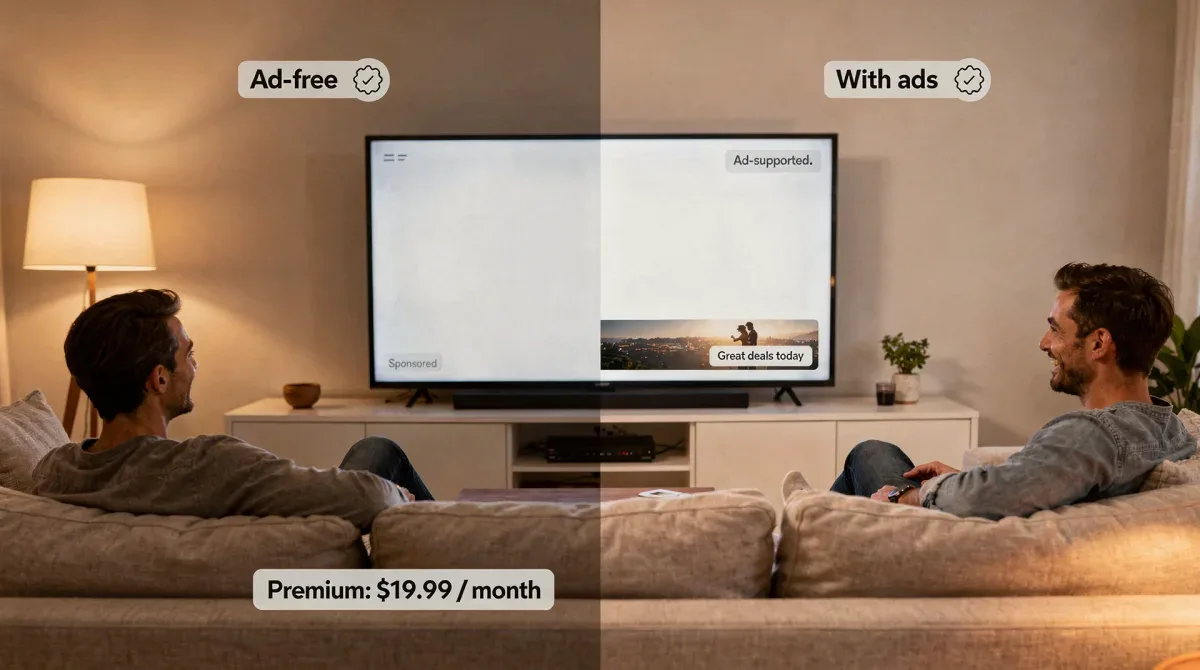
A common concern among consumers considering ad-tier streaming is whether the content quality or availability will be compromised. In 2026, the good news is that most major streaming platforms offer nearly identical content libraries across both their ad-supported and ad-free tiers. The primary difference remains the presence of commercials.
However, the user experience extends beyond just the content. It encompasses the frequency, length, and relevance of ads. Platforms are continuously refining their ad load to strike a balance between monetization and viewer satisfaction. Too many ads, or poorly placed ones, can lead to frustration and potentially drive subscribers away, even from a cheaper tier.
Optimizing the ad-tier experience
Streaming services are investing heavily in technologies that make ads less intrusive and more engaging. This includes dynamic ad insertion, which allows for real-time targeting, and efforts to reduce ad repetition. Some platforms are also experimenting with innovative ad formats, such as interactive commercials or sponsored content that feels more integrated into the viewing experience.
- Full content access: Ad-tiers generally offer the same library as premium tiers.
- Balanced ad load: Platforms strive to optimize ad frequency and duration.
- Personalized ads: Enhancing relevance through data-driven targeting.
- Seamless integration: Efforts to make ads less disruptive to storytelling.
Ultimately, the success of ad-tiers hinges on delivering a user experience that, despite the ads, still feels valuable and enjoyable. As technology advances and platforms gather more insights into viewer preferences, the ad-tier experience is only expected to improve, further solidifying its place as a mainstream option for streaming enthusiasts.
Future outlook: continued growth and innovation in ad-tiers
Looking ahead, the trajectory for ad-tier streaming in 2026 and beyond points towards continued growth and significant innovation. The initial success, driven by consumer demand for affordability and platform needs for diversified revenue, is likely to be sustained as the market matures and technologies advance.
Expect to see more streaming services, both established giants and emerging niche players, introduce or enhance their ad-supported offerings. This competitive landscape will likely lead to further refinement in pricing strategies, ad delivery, and overall user experience, benefiting consumers with more choice and better value.
Emerging trends and predictions
Several key trends are anticipated to shape the future of ad-tier streaming. One significant area of development will be in advanced ad personalization, moving beyond basic demographics to truly contextual and predictive advertising. We might also see more creative ad formats, such as shoppable ads or interactive experiences that allow viewers to engage with brands directly from their screens.
- Hyper-personalization: Ads tailored to individual viewing habits and interests.
- Interactive ad formats: Engaging commercials that allow for direct action.
- Hybrid models: More flexible subscription options combining elements of ad-free and ad-supported tiers.
- Global expansion: Ad-tiers becoming standard in international markets.
The future of streaming is increasingly diverse, with ad-tiers playing a crucial role in making premium content accessible to a wider audience. As platforms continue to innovate and consumers become more adept at navigating these choices, ad-tier streaming is set to remain a cornerstone of the digital entertainment landscape for years to come, offering a compelling balance of cost and content.
| Key Trend | Brief Description |
|---|---|
| Ad-Tier Popularity | 48% of viewers downgrade to ad-supported streaming to save money. |
| Annual Savings | Consumers save over $150 annually by opting for ad-supported plans. |
| Platform Strategy | Platforms diversify revenue and expand subscriber base with ad-tiers. |
| User Experience | Focus on less intrusive, more relevant ads and full content access. |
Frequently asked questions about ad-tier streaming
What is ad-tier streaming?▼Ad-tier streaming refers to subscription plans offered by streaming services that include commercial advertisements during content playback in exchange for a lower monthly fee compared to ad-free premium tiers. It provides a more budget-friendly way to access extensive content libraries.
How much can I save with ad-tier streaming?▼By 2026, many viewers are saving over $150 annually by opting for ad-supported plans. Individual savings depend on the number of services and the price difference between their ad-free and ad-supported tiers, but it generally offers substantial cost reduction.
Is the content on ad-tiers the same as ad-free?▼Generally, yes. Most major streaming platforms offer the same content library on their ad-supported tiers as their ad-free counterparts. The primary difference is the inclusion of commercial breaks, not a reduction in available shows or movies.
Are the ads intrusive on ad-tier streaming services?▼Streaming platforms are continually working to optimize the ad experience. While ads are present, efforts are made to keep them relevant, less repetitive, and strategically placed to minimize disruption. The goal is to balance monetization with viewer satisfaction.
Why are so many people downgrading to ad-tiers?▼The primary reasons are cost savings and subscription fatigue. With the rising cost of living and numerous streaming options, consumers are seeking more affordable entertainment solutions. Ad-tiers provide a way to access desired content without the full premium price tag.
Conclusion
The shift towards ad-tier streaming by 2026 is a clear indicator of evolving consumer priorities and a maturing streaming market. With nearly half of viewers choosing to downgrade and save over $150 annually, the value proposition of ad-supported plans is undeniable. This trend underscores a pragmatic approach to entertainment consumption, where financial prudence is balanced with access to desired content. As platforms continue to innovate and refine the ad experience, ad-tier streaming is set to become an even more integrated and accepted part of our digital lives, offering a sustainable model for both consumers and content providers in the years to come.
