2026 Healthcare Reforms: 15% Cap on Prescription Costs
The 2026 Healthcare Reforms passed by Congress introduce a crucial 15% cap on out-of-pocket prescription costs, significantly altering the financial landscape for millions of Americans by limiting their annual drug expenses.
The recent passage of the 2026 Healthcare Reforms by Congress marks a pivotal moment for healthcare in the United States, particularly with the introduction of a 15% cap on out-of-pocket prescription costs. This landmark legislation is poised to reshape how millions of Americans access and afford their necessary medications, promising a new era of financial predictability and relief for those grappling with high drug expenses.
Understanding the 15% cap on prescription costs
The core of the 2026 Healthcare Reforms lies in the newly implemented 15% cap on out-of-pocket prescription costs. This provision is designed to shield consumers from exorbitant drug prices by setting a maximum limit on what individuals and families must pay annually for their medications, irrespective of the drug's list price or the total cost of their prescriptions.
Historically, patients have faced unpredictable and often crippling costs for essential medications, leading many to forgo necessary treatments or incur significant medical debt. This new cap directly addresses that vulnerability, aiming to create a more equitable and sustainable system for prescription drug access across the nation.
How the cap works for consumers
Under the new legislation, once an individual or family reaches 15% of their adjusted gross income (AGI) in out-of-pocket prescription costs within a calendar year, their insurance plan, or a combination of federal subsidies and insurance, will cover 100% of additional prescription drug expenses for the remainder of that year. This threshold is calculated based on a household's AGI from the previous tax year, ensuring a personalized and fair limit.
- Annual Limit: The cap is applied annually, resetting each January 1st.
- All Prescriptions Included: All FDA-approved prescription drugs covered by a patient's insurance plan contribute to the out-of-pocket total.
- Income-Based: The 15% threshold scales with income, offering greater protection to lower and middle-income households.
This mechanism provides a clear ceiling on healthcare expenditures, allowing Americans to budget more effectively for their medical needs without the fear of unexpected financial burdens from chronic conditions or unforeseen illnesses requiring expensive treatments. The simplicity of the 15% cap is intended to make it easily understandable and impactful for all beneficiaries.

In conclusion, the 15% cap on prescription costs represents a monumental shift in patient financial responsibility. It moves the United States closer to a system where access to life-saving and life-improving medications is not dictated solely by one's ability to pay, but by medical necessity within a defined financial boundary.
Impact on different income brackets
The 2026 Healthcare Reforms are designed with a progressive structure, meaning their impact will vary significantly across different income brackets. The 15% cap on out-of-pocket prescription costs is specifically tied to an individual's or family's adjusted gross income (AGI), ensuring that the financial relief is most pronounced for those who need it most.
For lower-income households, who often struggle the most with healthcare costs, this cap could be transformative. A smaller AGI means a lower absolute dollar amount for their 15% threshold, effectively limiting their annual exposure to prescription drug expenses to a manageable sum. This could prevent many from having to choose between medication and other basic necessities.
Middle-income families and the new cap
Middle-income families, often caught in the gap between federal assistance and affordable private insurance, stand to benefit substantially. While they may not qualify for extensive subsidies, the 15% cap provides a critical safety net against catastrophic drug costs. For instance, a family earning $80,000 AGI would have a cap of $12,000. Any prescription costs beyond this amount would be fully covered, offering significant peace of mind, especially for those managing chronic diseases or multiple prescriptions.
- Budget Predictability: Families can better plan their annual healthcare expenditures.
- Reduced Financial Strain: Less risk of medical debt due to high drug costs.
- Access to Newer Drugs: Potentially easier access to expensive, innovative treatments that were previously out of reach.
Upper-income individuals and families, while still benefiting from the cap, may find the absolute dollar amount of their 15% threshold to be higher. However, even for them, the cap offers protection against extremely rare and costly specialty drugs, ensuring that no one faces unlimited financial exposure. The universal application of the cap ensures that everyone, regardless of income, has a defined maximum annual expense for prescriptions.
In essence, the income-based nature of the 15% cap makes the 2026 Healthcare Reforms a powerful tool for promoting health equity. It shifts the burden of unpredictable drug costs away from individual patients and towards a more collective, insurance-backed system, making healthcare more accessible and affordable across the economic spectrum.
Potential benefits for patients and public health
The implementation of the 15% cap on out-of-pocket prescription costs under the 2026 Healthcare Reforms carries a multitude of potential benefits for both individual patients and the broader landscape of public health. Beyond the obvious financial relief, these reforms are expected to foster greater adherence to treatment plans and improve overall health outcomes.
When prescription costs are capped, patients are less likely to ration their medications, skip doses, or abandon treatments altogether due to financial constraints. This improved adherence is crucial for managing chronic conditions like diabetes, heart disease, and asthma, where consistent medication use is vital for preventing complications and maintaining quality of life.
Improved medication adherence and outcomes
Studies have consistently shown a direct correlation between high out-of-pocket costs and poor medication adherence. By removing this financial barrier, the new cap is expected to lead to:
- Fewer hospitalizations: Better management of chronic diseases can reduce acute episodes requiring emergency care.
- Enhanced quality of life: Patients can maintain their health more effectively, leading to greater productivity and overall well-being.
- Reduced disease progression: Consistent treatment can slow or halt the advancement of many illnesses.
Furthermore, the reforms could encourage more proactive healthcare-seeking behaviors. Knowing that prescription costs have a defined limit, individuals may be more inclined to seek early diagnosis and treatment for new conditions, rather than delaying care until their health deteriorates. This shift towards preventative and early intervention care can have significant long-term public health advantages, potentially reducing the prevalence of preventable diseases and mitigating their severity.
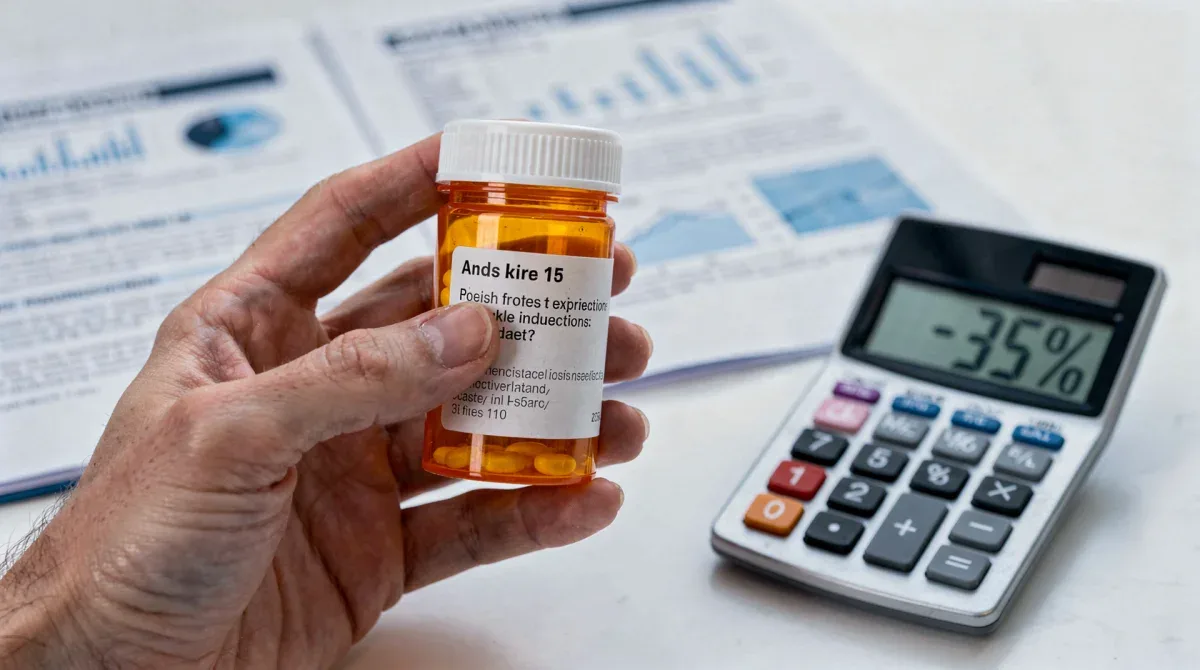
Another benefit is the potential for increased access to innovative, often expensive, specialty drugs. These medications, while groundbreaking, have historically been out of reach for many due to their high price tags. With the cap in place, patients who need these cutting-edge treatments can access them without fear of financial ruin, accelerating the adoption of new medical breakthroughs across the population.
In summary, the 15% cap is not just about saving money; it's about fostering a healthier, more compliant patient population and strengthening the overall public health infrastructure by making essential medications truly accessible to all.
Challenges and considerations for implementation
While the 2026 Healthcare Reforms, particularly the 15% cap on out-of-pocket prescription costs, promise significant benefits, their implementation is not without challenges and important considerations. The complexities of the U.S. healthcare system mean that rolling out such a comprehensive change will require careful planning, coordination, and ongoing adjustments.
One primary challenge lies in the administrative burden on insurance providers and healthcare systems. They will need to update their billing and claims processing systems to accurately track individual and family AGIs, calculate the 15% threshold, and ensure proper coverage once the cap is met. This requires substantial investment in technology and staff training to avoid errors and ensure a smooth transition for patients.
Data privacy and income verification
The income-based nature of the cap necessitates a robust system for income verification. Ensuring patient data privacy while accurately confirming adjusted gross income will be paramount. Congress and relevant agencies will need to establish clear guidelines and secure protocols to share and verify sensitive financial information without compromising individual privacy.
- Interagency Coordination: Collaboration between healthcare entities and tax authorities will be crucial.
- Patient Education: Clear communication campaigns are needed to inform Americans about how their income impacts the cap.\
- Fraud Prevention: Mechanisms must be in place to prevent misuse or fraudulent claims related to income reporting.
Another consideration is the potential for drug manufacturers to adjust their pricing strategies. If the burden of high costs shifts more towards insurers and the government, there could be an incentive for pharmaceutical companies to raise list prices further, knowing that individual patients are shielded by the cap. Regulators will need to monitor drug pricing closely to ensure the reforms do not inadvertently lead to unintended price inflation.
Furthermore, the long-term financial sustainability of the cap will need continuous evaluation. While designed to provide relief, the increased expenditure by insurance providers and federal programs will need to be balanced with funding mechanisms to ensure the system remains viable without placing undue strain on taxpayers or premium payers. This will likely involve ongoing debates and potential adjustments in future legislative cycles.
In conclusion, while the vision of affordable prescriptions is clear, the path to fully realizing it will demand meticulous execution, continuous oversight, and adaptability to unforeseen circumstances during the initial years of the 2026 Healthcare Reforms.
Economic implications for the healthcare industry
The 2026 Healthcare Reforms, particularly the 15% cap on out-of-pocket prescription costs, are poised to send ripple effects throughout the entire healthcare industry, impacting pharmaceutical companies, insurance providers, and healthcare facilities alike. Understanding these economic implications is crucial for stakeholders to adapt and for policymakers to anticipate future trends.
For pharmaceutical companies, the primary concern revolves around drug pricing and revenue streams. With patients' out-of-pocket expenses capped, the financial burden for high-cost drugs will increasingly shift to insurance providers and government programs. This could pressure manufacturers to justify their prices more rigorously or even lead to negotiation tactics from payers seeking to lower their overall expenditures.
Shifting financial burdens for insurers
Insurance providers will experience a significant shift in their financial models. While the cap protects patients, it means insurers will be responsible for a greater share of prescription drug costs once the 15% threshold is met. This could lead to:
- Increased Premiums: Insurers might consider raising premiums to offset higher payout liabilities, though this would likely be subject to regulatory oversight.
- Negotiation Power: Enhanced leverage for insurers to negotiate lower drug prices with pharmaceutical companies.\
- Benefit Redesign: Potential restructuring of other plan benefits to manage overall costs.
Hospitals and clinics might also see indirect economic impacts. With improved medication adherence, there could be a reduction in emergency room visits and hospitalizations related to poorly managed chronic conditions. While this is a positive outcome for public health, it could affect revenue streams for facilities that rely heavily on acute care services. Conversely, increased access to prescriptions might lead to more routine doctor visits for medication management, balancing some of these effects.

The reforms could also spur innovation in generic and biosimilar markets. As payers seek more cost-effective alternatives, the demand for generic versions of expensive brand-name drugs could grow, encouraging competition and potentially lowering overall drug expenditures. This shift could benefit smaller pharmaceutical companies specializing in generics.
In conclusion, the 2026 Healthcare Reforms introduce a complex web of economic changes that will necessitate strategic adjustments across the healthcare industry. While designed to benefit patients, the industry's ability to adapt to these shifts will determine the long-term success and stability of the new system.
The road ahead: monitoring and future adjustments
The passage of the 2026 Healthcare Reforms, with its crucial 15% cap on out-of-pocket prescription costs, marks the beginning, not the end, of the legislative journey. The road ahead involves continuous monitoring, evaluation, and likely future adjustments to ensure the reforms achieve their intended goals and adapt to unforeseen consequences.
Policymakers and health agencies will need to establish robust mechanisms for tracking the impact of the cap. This includes collecting data on patient adherence rates, medication costs, insurance premium changes, and the financial health of both patients and healthcare providers. Such data will be essential for understanding the real-world effects of the legislation.
Key areas for ongoing evaluation
Several critical areas will require continuous scrutiny to ensure the reforms remain effective and equitable:
- Patient Access: Monitoring if the cap truly improves access to necessary medications across all demographics.\
- Drug Pricing Trends: Vigilantly tracking pharmaceutical pricing to prevent undue inflation or market manipulation.\
- Insurance Market Stability: Assessing the financial stability of insurance markets and the affordability of premiums.\
- Health Equity: Ensuring the reforms genuinely reduce disparities in healthcare access and outcomes.
Based on the data collected and analyses performed, Congress may need to consider legislative refinements. This could involve adjusting the 15% threshold, modifying the definition of out-of-pocket costs, or introducing additional measures to address specific challenges that emerge during implementation. The dynamic nature of healthcare demands a flexible and responsive legislative approach.
Public feedback and advocacy groups will also play a vital role. Patients, healthcare professionals, and industry stakeholders will provide invaluable insights into how the reforms are functioning on the ground, helping to identify areas for improvement or unintended negative impacts. This collaborative feedback loop is crucial for informed policymaking.
Ultimately, the success of the 2026 Healthcare Reforms will depend on the commitment to ongoing evaluation and the willingness to make necessary adjustments. The cap on prescription costs is a significant step forward, but its long-term effectiveness will be shaped by how well it is managed and adapted over time to serve the evolving healthcare needs of Americans.
| Key Aspect | Brief Description |
|---|---|
| 15% Out-of-Pocket Cap | Limits annual prescription costs to 15% of Adjusted Gross Income (AGI). |
| Income-Based Relief | Provides greater financial protection for lower and middle-income households. |
| Improved Access | Expected to increase medication adherence and access to essential drugs. |
| Industry Impact | Shifts financial burden towards insurers, potentially impacting drug pricing and premiums. |
Frequently asked questions about the 2026 Healthcare Reforms
What exactly is the 15% cap on prescription costs?▼The 15% cap limits the total amount an individual or family must pay out-of-pocket for prescription medications in a calendar year to 15% of their adjusted gross income (AGI). Once this threshold is met, insurance or government programs cover all remaining eligible prescription costs for that year.
When do the 2026 Healthcare Reforms officially take effect?▼The 2026 Healthcare Reforms, including the 15% cap on out-of-pocket prescription costs, are slated to officially take effect on January 1, 2026. This allows time for insurance providers and healthcare systems to implement necessary administrative and technological adjustments.
Will this cap apply to all types of prescription drugs?▼Yes, the 15% cap is designed to apply to all FDA-approved prescription drugs that are covered by a patient's insurance plan. This includes both generic and brand-name medications, as well as specialty drugs, ensuring comprehensive financial protection for patients.
How will my income be verified for the 15% cap calculation?▼Your adjusted gross income (AGI) from the previous tax year will be used for the calculation. Specific verification processes will be established by government agencies and insurance providers, likely involving secure data sharing protocols to protect your privacy while ensuring accurate application of the cap.
What are the potential impacts on health insurance premiums?▼While the cap benefits patients directly, insurance providers may face increased costs. This could potentially lead to adjustments in health insurance premiums to offset the higher payout liabilities. However, regulators will closely monitor premium changes to ensure affordability and market stability.
Conclusion
The 2026 Healthcare Reforms represent a monumental stride towards a more equitable and affordable healthcare system in the United States. The 15% cap on out-of-pocket prescription costs is a direct response to the long-standing burden of high drug prices, promising significant financial relief and improved access to essential medications for millions of Americans. While implementation will present administrative and economic challenges, the overarching goal of enhancing patient well-being and promoting public health remains paramount. Continuous monitoring and adaptable policymaking will be crucial to refine these reforms and ensure their lasting positive impact on the nation's healthcare landscape.
