Potential Impacts of Environmental Regulation Changes on US Businesses & Communities
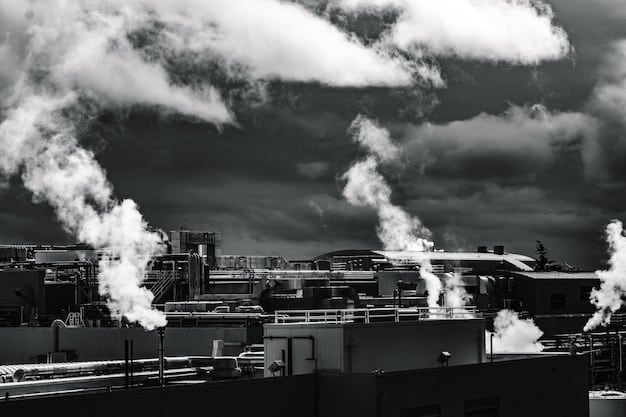
The proposed changes to environmental regulations could significantly impact businesses through increased compliance costs and operational adjustments, while communities might experience improved environmental health or face economic disruptions due to industry changes.
Understanding what are the potential impacts of the proposed changes to environmental regulations on businesses and communities is crucial for stakeholders. These changes can lead to significant shifts in economic stability, environmental health, and operational practices.
Economic Impacts on Businesses
Environmental regulations often entail compliance costs for businesses. These costs can range from implementing new technologies to modifying operational processes.
Increased Compliance Costs
One of the most immediate impacts of new environmental regulations is the increase in compliance costs for businesses. These costs can include expenses related to monitoring emissions, upgrading equipment, and training personnel.
Operational Adjustments
Businesses may need to make significant operational adjustments to comply with new regulations. This can involve altering production processes, reducing resource consumption, and adopting more sustainable practices.
- Investment in cleaner technologies.
- Changes in supply chain management.
- Increased reporting and monitoring requirements.

Furthermore, the stringency of environmental regulations can affect a company’s competitive advantage. Companies that invest in sustainable practices early on may gain a competitive edge over those that lag.
In conclusion, the economic impacts on businesses can be substantial. While compliance costs and operational adjustments present challenges, they also drive innovation and the adoption of more sustainable business models.
Impact on Community Health
Changes in environmental regulations can have direct impacts on community health. Stricter regulations often lead to improved air and water quality, reducing health risks.
Improved Air Quality
One of the most noticeable benefits of stricter environmental regulations is improved air quality. Reduced emissions from industrial sources can lead to fewer respiratory illnesses and other health problems.
- Decreased incidence of asthma and other respiratory conditions.
- Reduced levels of air pollutants such as particulate matter and ozone.
- Improved overall public health outcomes.
Water Quality Improvements
Regulations aimed at reducing water pollution can lead to significant improvements in water quality. Cleaner water sources can reduce the risk of waterborne diseases and protect aquatic ecosystems.
Conversely, some regulations may lead to economic disruptions in communities that rely on industries heavily affected by the changes. This can result in job losses and decreased economic activity.
In conclusion, changes in environmental regulations can have profound effects on community health. While stricter regulations often lead to improved air and water quality, they may also pose economic challenges for some communities.
Job Creation and Loss
Environmental regulations can lead to both job creation and job loss. Some industries may experience job losses due to increased compliance costs, while others may see job growth in sectors related to environmental technologies.
Job Losses in Traditional Industries
Traditional industries, such as coal mining and manufacturing, may experience job losses as a result of stricter environmental regulations. Companies may need to reduce production or close facilities to comply with the new rules.
Growth in Green Industries
On the other hand, environmental regulations can stimulate growth in green industries, such as renewable energy, energy efficiency, and environmental consulting. These industries may create new jobs as companies invest in sustainable practices.

- Increased demand for renewable energy technologies.
- Expansion of energy efficiency programs and services.
- Growth in environmental consulting and engineering firms.
Furthermore, the net effect on employment depends on various factors, including the specific regulations, the state of the economy, and the availability of retraining programs for workers in affected industries.
In summary, environmental regulations can lead to shifts in employment patterns, which requires proactive measures to support workers in transitioning to new jobs and industries.
Innovation and Technological Advancement
Environmental regulations often spur innovation and technological advancement. Companies are incentivized to develop cleaner technologies and more efficient processes to comply with the new rules.
Incentives for Cleaner Technologies
Regulations can create incentives for companies to invest in cleaner technologies. This can lead to the development of new products and services that reduce pollution and resource consumption.
Improved Efficiency
Companies may also focus on improving efficiency to reduce their environmental impact. This can involve optimizing production processes, reducing waste, and conserving energy and water.
Moreover, government support for research and development (R&D) can play a crucial role in fostering innovation in environmental technologies.
In conclusion, environmental regulations can be a powerful driver of innovation and technological advancement, leading to the development of more sustainable solutions.
Impact on Property Values
Changes in environmental regulations can affect property values in surrounding areas. Stricter regulations may improve environmental quality, leading to increased property values near protected areas.
Increased Property Values
Improved air and water quality can make an area more attractive to homebuyers, leading to increased property values. This is especially true for properties located near parks, lakes, and other natural amenities.
Decreased Property Values
Conversely, properties located near industrial sites or areas with high levels of pollution may experience decreased property values due to the negative impacts of environmental degradation.
Furthermore, the perceived risk of environmental contamination can also affect property values. Properties located near Superfund sites or other polluted areas may be difficult to sell, even after cleanup efforts.
In summary, changes in environmental regulations can have complex effects on property values, depending on the specific location and the nature of the regulations.
International Trade and Competitiveness
Environmental regulations can affect a country’s international trade and competitiveness. Stricter regulations may increase production costs, making it more difficult for domestic companies to compete with foreign firms.
Impact on Production Costs
Compliance costs can increase production costs for domestic companies, making their products more expensive. This can put them at a disadvantage in international markets, especially if foreign firms are subject to less stringent regulations.
Competitive Advantage
However, companies that invest in sustainable practices may gain a competitive advantage in international markets. Consumers are increasingly demanding environmentally friendly products, and companies that can meet this demand may be able to command a premium price.
- Adopting circular economy principles.
- Investing in renewable energy sources.
- Reducing carbon emissions and waste.
Further, international agreements and trade policies can play a crucial role in leveling the playing field and promoting sustainable trade practices.
In conclusion, environmental regulations can have significant effects on international trade and competitiveness. While compliance costs may present challenges, they also drive innovation and the adoption of more sustainable business models.
| Key Aspect | Brief Description |
|---|---|
| 💰 Increased Costs | Businesses often face higher compliance expenses. |
| 💨 Air Quality | Stricter rules typically result in cleaner air. |
| 💼 Job Market | Jobs shift; some industries decline, others grow. |
| 🏡 Property Values | Values can rise in clean areas, fall in polluted ones. |
Frequently Asked Questions
▼
Direct costs can include investments in new technologies, upgrades to existing equipment, increased monitoring and reporting expenses, and the need for specialized training programs for employees.
▼
Stricter regulations can disproportionately affect small businesses due to their limited resources. Compliance costs can be a significant burden, possibly leading to reduced competitiveness or even closure.
▼
Long-term health benefits include a reduction in respiratory illnesses, lower rates of waterborne diseases, decreased exposure to toxic substances, and overall improved quality of life due to cleaner environments.
▼
Yes, environmental regulations can stimulate innovation and create new markets for green technologies and sustainable products. This can lead to job creation and economic growth in emerging sectors.
▼
Communities can adapt by investing in retraining programs for workers, diversifying their economies, attracting green industries, and leveraging government support to mitigate economic disruptions and foster new opportunities.
Conclusion
In conclusion, the proposed changes to environmental regulations present a complex array of potential impacts on businesses and communities. While these changes may bring about increased compliance costs and economic adjustments, they also pave the way for improved environmental health, innovation, and long-term sustainability. Embracing proactive strategies and collaborative efforts is essential to navigate these changes effectively and ensure a balanced and prosperous future for all stakeholders.
